Understanding Causes, Symptoms, Diagnosis, Treatment, and Prevention
Varices in the oesophagus, also known as oesophageal varices, are swollen and enlarged veins found at the lower end of the gullet. While it may not be noticed for years, it can be a dangerous complication associated with advanced liver damage and could lead to fatal bleeding if emergency treatment cannot be provided quickly after rupture.
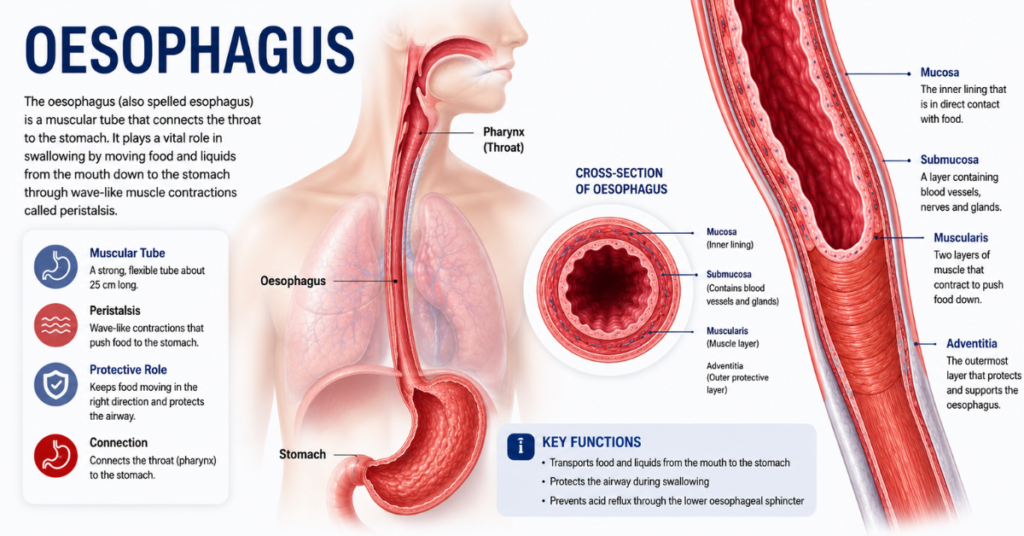
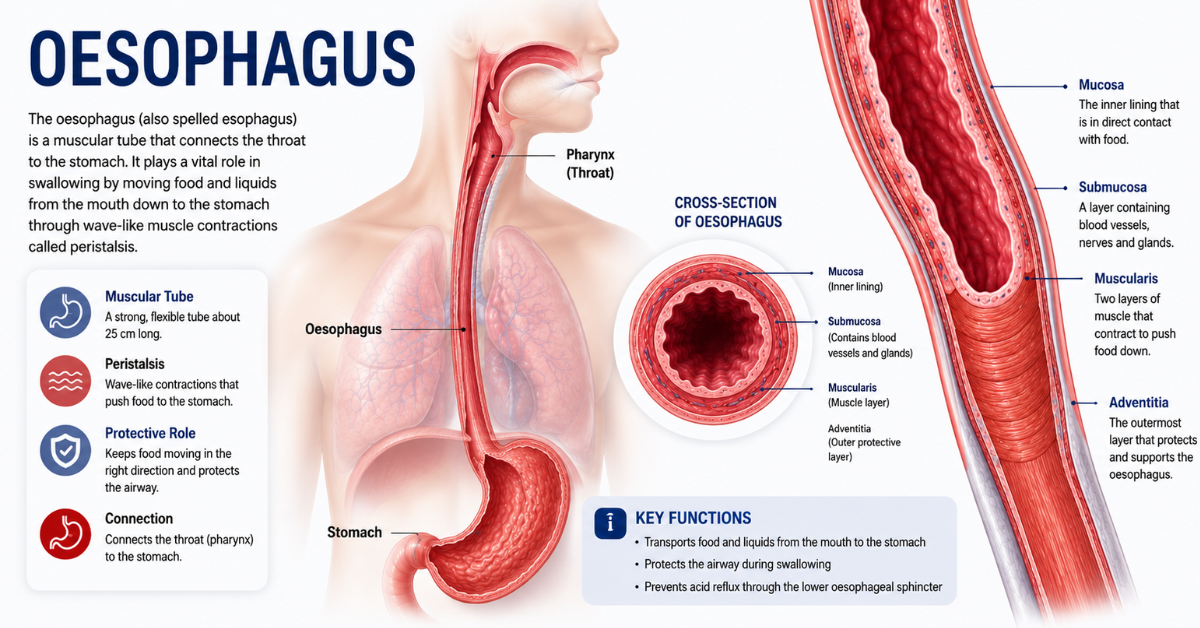
The oesophagus is the muscular pipe that allows food and drink to move from your mouth down to your stomach. Normally, blood flows steadily through the veins that run around the digestive system and to the liver. But if there’s a blockage or resistance to blood flow through the liver, pressure builds up in the nearby veins. Over time, the walls of the oesophageal veins become weak and distended, forming oesophageal varices.
Most people do not experience symptoms of oesophageal varices until bleeding begins, so doctors should monitor people with liver disease regularly. Understanding oesophageal varices causes, warning signs and current treatments is key to avoiding serious complications and managing the condition successfully.
What are oesophageal varices and why do they occur?
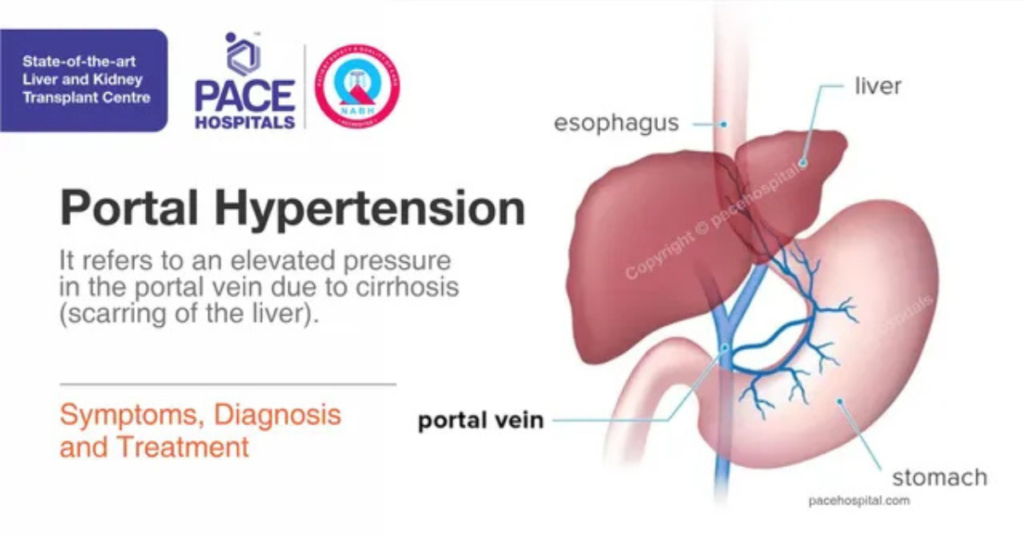
Oesophageal varices are swollen and widened veins within the lower oesophagus (gullet). This occurs due to increased pressure in the portal vein system. Doctors call this condition portal hypertension. The portal vein transports blood from the stomach, intestines, pancreas and spleen into the liver.
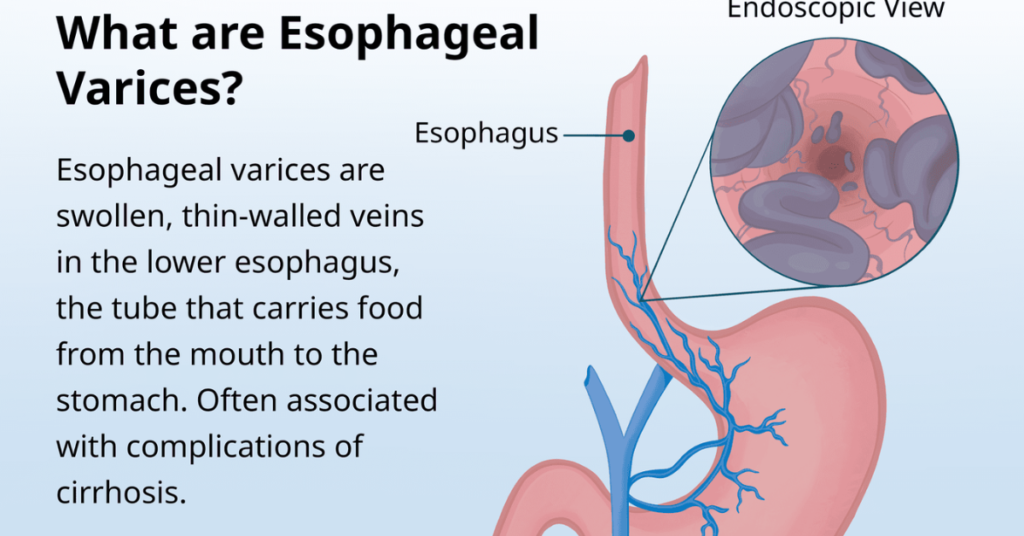
When there is a condition that prevents or limits the blood flowing through the liver, it may begin to cause pressure to build up within the surrounding veins in the oesophagus. High pressure weakens and enlarges these veins as they carry blood that can no longer pass through the liver effectively.
Portal Hypertension and Varices in Oesophagus
The cause of oesophageal varices is portal hypertension. This may develop because:
- Liver cirrhosis
- Chronic hepatitis infections
- Fatty liver disease
- Portal vein thrombosis (blockage)
- Rare liver disorders
As portal pressure increases, the liklihood of developing oesophageal varices increases.
Why oesophageal varices are dangerous
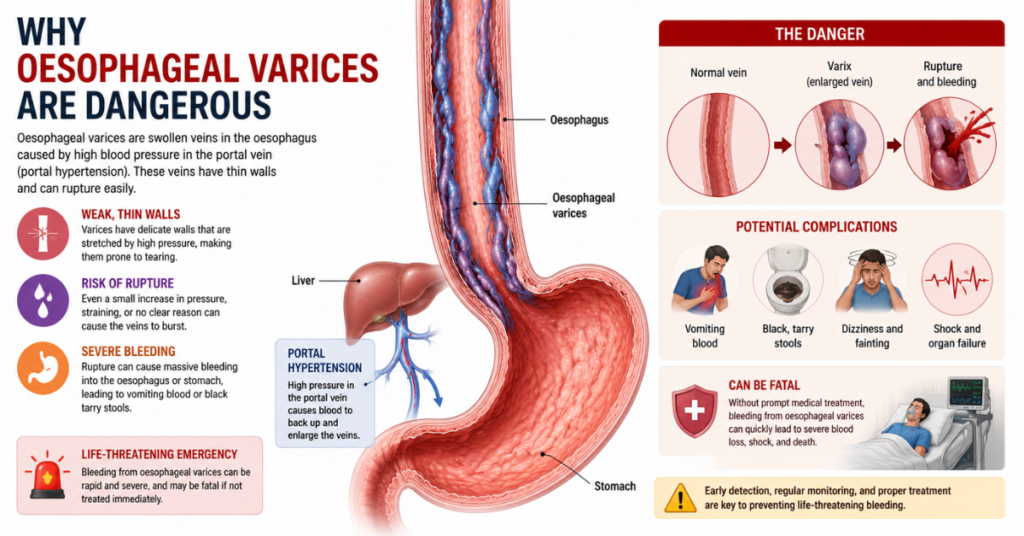
Oesophageal varices are weak and can rupture, causing upper gastrointestinal bleeding that can be quickly fatal if urgent treatment is not possible.
Silent Development of Varices in Oesophagus
Many people with oesophageal varices are not aware they have this condition until they have already bled. It is therefore important to screen anyone with cirrhosis for this potential complication.
Common causes and risk factors of oesophageal varices
Portal hypertension is the direct cause of oesophageal varices but this condition is itself caused by a number of underlying health problems.
Liver Cirrhosis
The cause of oesophageal varices worldwide is most often liver cirrhosis. The body compensates for the failing liver by routing blood via collateral pathways. Blood is forced out of its natural pathway around the liver and takes routes through smaller veins around the oesophagus, stomach and spleen.
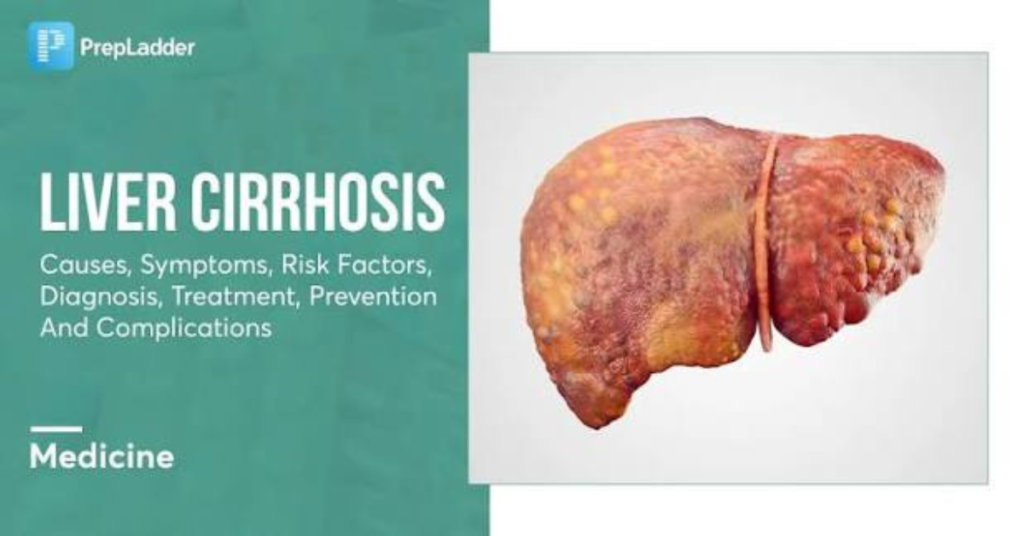
It can be difficult to see how any such deviation would cause a bleed and these enlarged veins at the bottom of the gullet,oesophageal varices, are dangerous in that the pressure building behind them has the effect of thinning and expanding their walls. Alcohol is an obvious cause for liver cirrhosis but hepatitisB andC infections and fatty liver disease also damage liver function.
Chronic liver disease
Long-term liver disease can gradually lead to progressive scarring and obstruction of the liver. This may cause a build-up of pressure in the blood vessels feeding the liver, resulting in portal hypertension and subsequently the formation of varices in the oesophagus. A blood vessel might also be narrowed due to the development of a clot or the presence of other medical conditions which restricts blood flow and creates a higher pressure to flow back along the blood vessel, through to other smaller veins which in turn have to deal with the increased load and develop varices in the same way.
Portal vein obstruction
If the portal vein which feeds the liver is obstructed, due to either a blood clot or other obstruction of the blood vessel, this can cause a pressure increase before the blockage. Blood then may try to bypass this blockage by taking a different route around the liver.
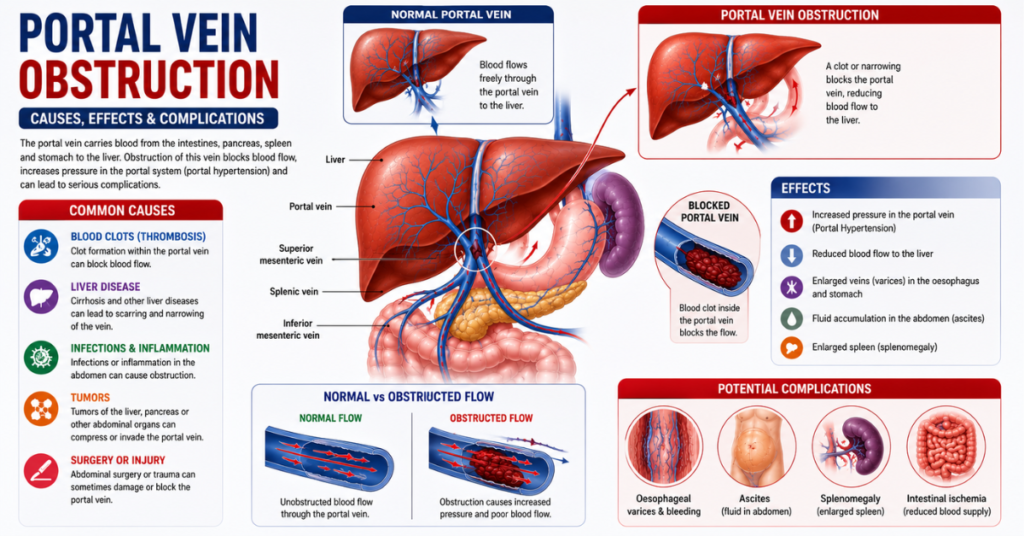
It will find smaller vessels, like the vessels at the bottom of the gullet, and increase their pressure, causing them to swell and become varices. This causes blood to back up behind the blockage and therefore builds up pressure on the blood vessels in the front of the blockage. This may occur with portal vein thrombosis.
Schistosomiasis
Certain regions of the world present a high prevalence for parasitic infections like Schistosomiasis which can affect blood flow through the liver.
Further risk factors
- Degree of cirrhosis or scarring on the liver
- Continued alcohol use
- The size of the varices
- Amount of pressure in the portal vein
- Severity of the liver dysfunction
Symptoms and warning signs of oesophageal varices
Most people who have oesophageal varices suffer from liver damage, but it is often the only sign of this potentially dangerous complication. Regular screening is, however, an important measure to avoid significant complications.
Symptoms before bleeding
Many patients have no symptoms before bleeding. Patients who have liver cirrhosis may however suffer from the signs of this disease which are:
- Feeling tired
- Swollen legs, abdomen or ankles
- Jaundice (yellow skin and eyes)
- Easy bruising and bleeding
Vomiting blood
This is usually an obvious and serious symptom and patients must receive immediate emergency treatment. Blood vomited can either be bright red or have the colour of coffee grounds depending on how long it has been in the stomach.
Black, tarry stools
Bleeding which has entered the intestines may appear in the stools in the form of black, sticky and very foul-smelling faeces. Doctors call this condition melena.
Symptoms of blood loss
Bleeding may be less obvious. This can occur as the patient loses volume from the bloodstream. Symptoms are related to the amount of blood loss and may be of dizzinessand fatigue or a rapid heartbeat. Other symptoms include weak pulse, clammy skin and pale skin.
Symptoms of acute bleeding
- Fainting
- Confusion
- Low blood pressure
- Cold skin
Diagnosis and treatment of oesophageal varices
The early detection of oesophageal varices has many benefits and reduces the liklihood of bleeding complications occurring. Gastroenterology now offers various methods for the effective investigation of oesophageal varices and treatment.
Medical History
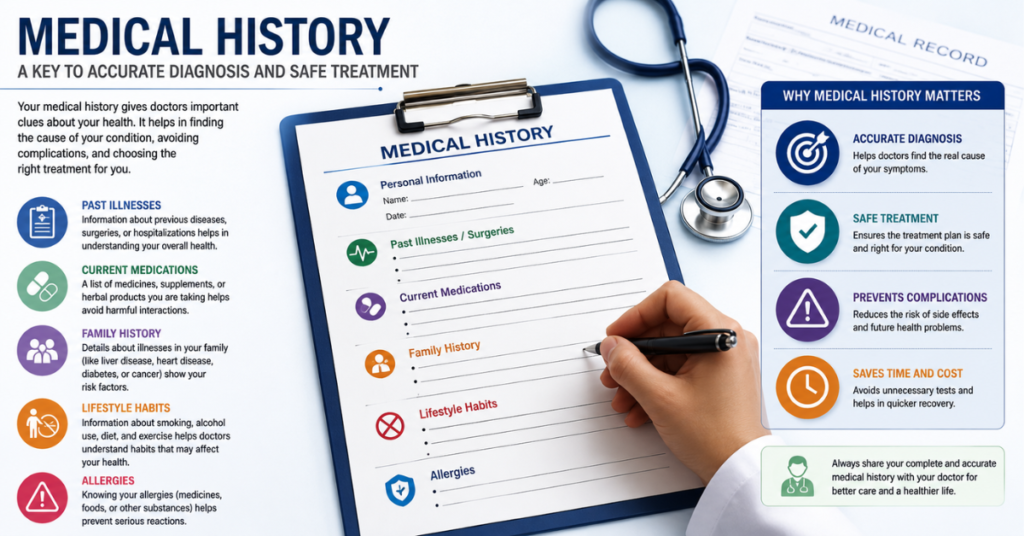
The doctor will review your past medical history for alcohol consumption and any history of bleeding episodes and how the liver has been affected.
Upper Endoscopy
Upper endoscopy (also called an oesophago-gastro-duodenoscopy, or OGD) is a procedure in which a flexible tube with a camera on the end (endoscope) is passed down through the mouth, throat and gullet into the stomach and top part of the small intestine
. A trained gastroenterologist may be able to spot the size and extent of any oesophageal varices and whether the risk of bleeding is likely to be high. If the patient is actively bleeding they will use other medical equipment to stop it.
Laboratory Tests
Standard medical tests will involve:
- Complete blood count (to identify blood loss)
- Liver function tests (to see how the liver is working)
- Coagulation tests (to measure how quickly the blood clots)
- Kidney function tests
Medications
There are several beta blockers that are commonly prescribed to lower the pressure within the portal system.

By reducing the pressure within the oesophagus the varices should theoretically become less enlarged and have less likelihood of bleeding.
Endoscopic Band Ligation
An endoscopic procedure using a technique where small rubber bands are placed around the varices, stopping the blood supply to them and allowing them to shrivel and die away.
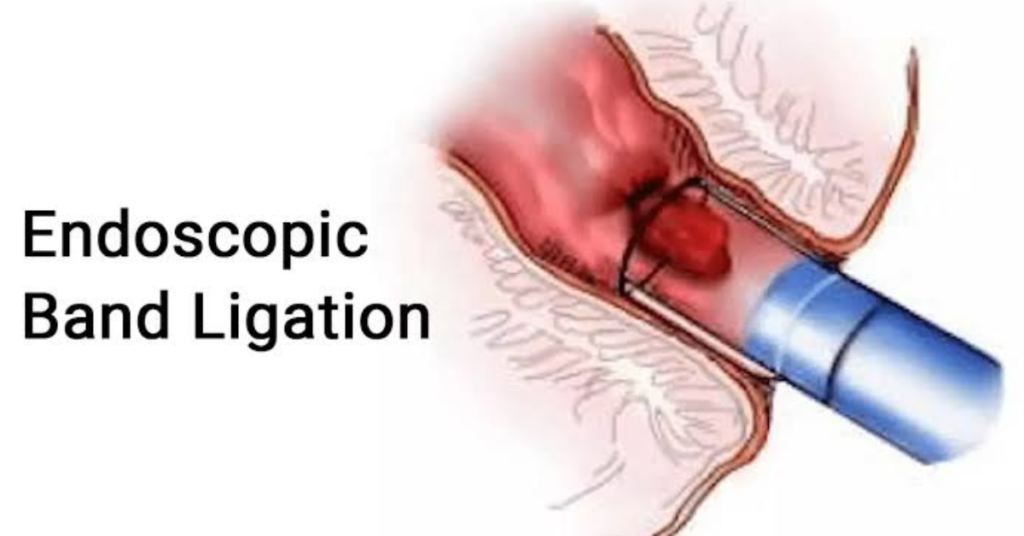
Doctors use this method to reduce the risk of bleeding in the oesophagus.
Treatment of Bleeding
There are several ways to treat bleeding from varices. These range from immediate intervention in a patient who is currently losing blood to prevention of further bleeds. Treatments can involve:
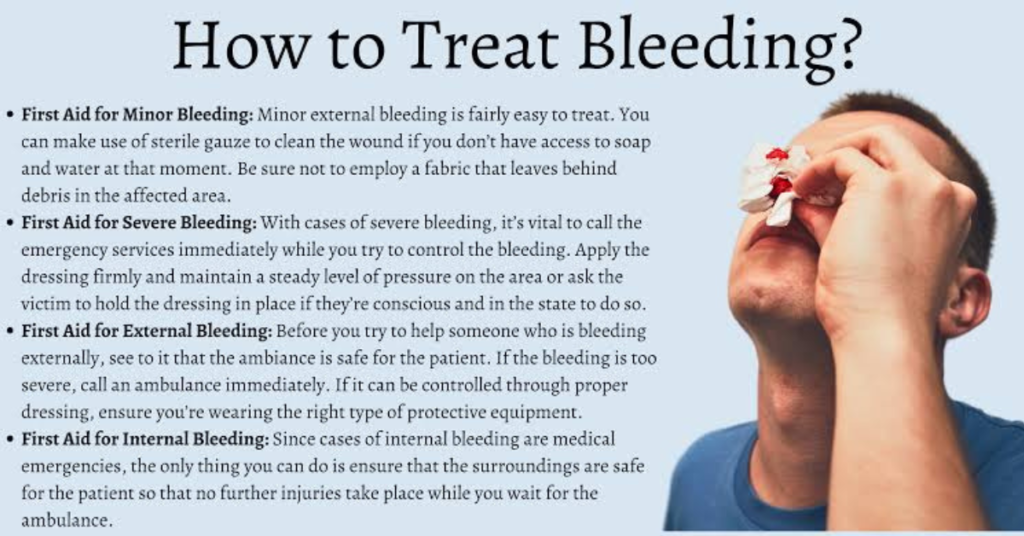
- IV fluids and blood transfusion.
- Endoscopic variceal ligation (see above).
- Specific drugs (like Sengstaken-Blakemore tube).
- Intensive care if necessary.
Prevention and long-term management of oesophageal varices
It is possible to prevent the formation of oesophageal varices or to reduce the likelihood of them bleeding in certain circumstances. Patients can achieve this by managing the underlying liver disease and attending regular check-ups.
Management of liver disease
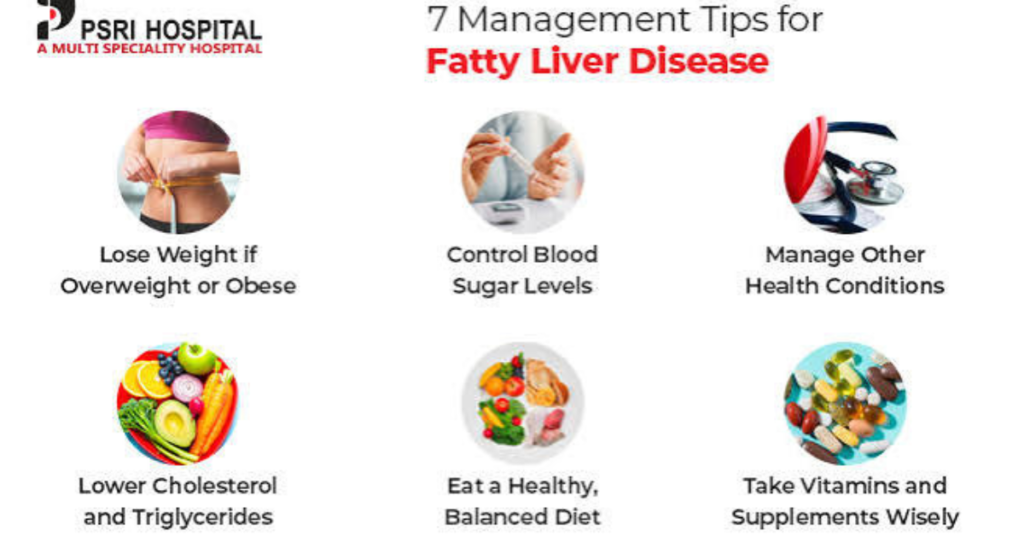
The most effective way to prevent the formation of oesophageal varices is to treat the cause of the underlying liver disease. This may involve treating chronic hepatitis, fatty liver disease or giving up alcohol.
Attend regular endoscopy screening
People with liver cirrhosis should have regular endoscopy examinations as they are more likely to have oesophageal varices that need treatment. If doctors detect them early they may have a lower risk of bleeding.
Take prescribed medications
Beta blockers used to prevent varices bleeding should always be taken as prescribed, or side effects may not occur. Never stop taking the medication without speaking to your doctor first.
Avoid alcohol

Alcohol causes damage to the liver and has the effect of increasing portal blood flow. Drinking alcohol can also lead to worse prognosis with further harm to liver cells.
