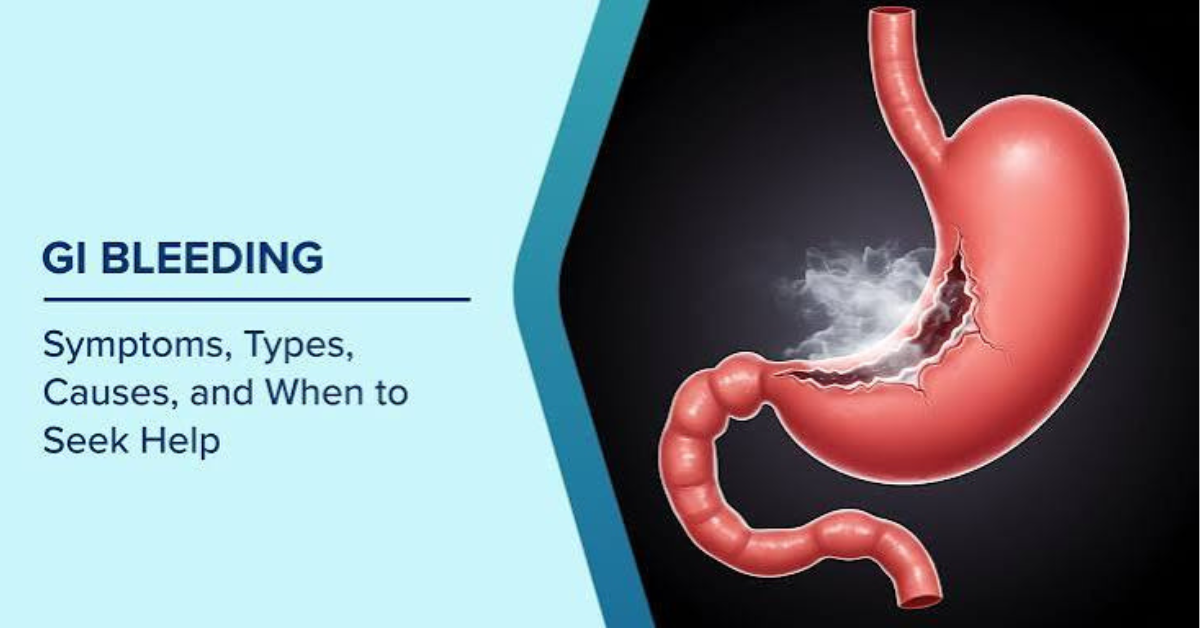
Upper GI Bleed is a serious medical problem.
It happens when there is bleeding in the part of the digestive system. This includes the oesophagus, stomach or duodenum. Sometimes the bleeding is not very bad. It stops on its own.. Other times it can be very bad and even life-threatening if you do not get medical help right away.
Every year many people have to go to the hospital because of upper digestive tract bleeding. So it is very important to know the warning signs of this condition and to get help quickly. This can help prevent bad complications and even save lives.
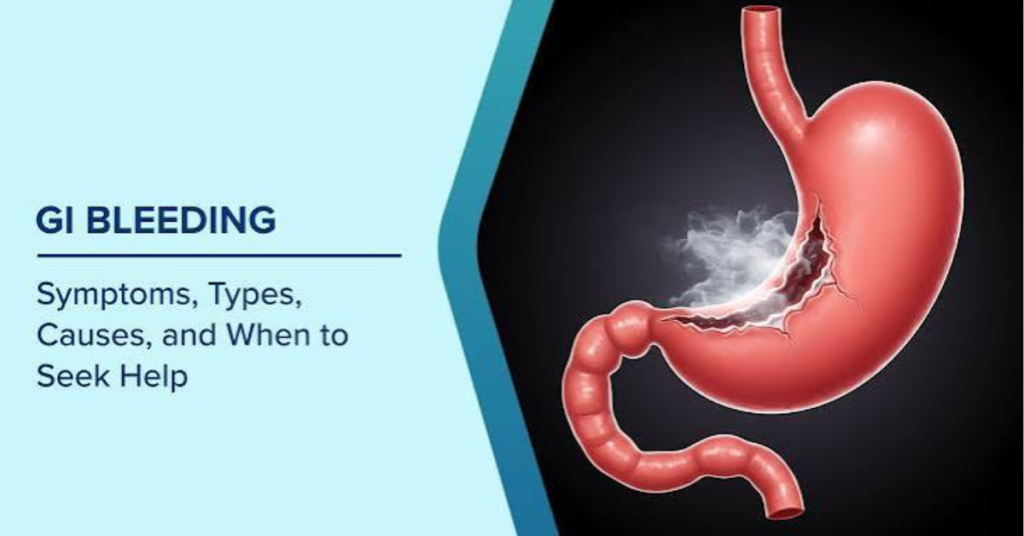
The digestive system has blood vessels that carry oxygen and nutrients to the organs. Normally these blood vessels work well. Blood flows smoothly through the digestive tract.. When there is a disease, inflammation, injury or ulcers these blood vessels can get damaged. This can cause bleeding in the upper digestive tract. The bleeding can start suddenly. It can happen slowly over time. So some people notice symptoms away while .others may not even know they have internal digestive bleeding until they get very sick.
It is very important to understand its causes, symptoms, diagnosis, treatment, and prevention, what the symptomsre how it is diagnosed how it is treated and how to prevent it. This helps people recognize the problem early and get help quickly. When people get help early it reduces the risk of very bad complications and helps them get better.
What is an Upper GI Bleed. Why does it happen?
An Upper GI Bleed is when there is bleeding in the part of the digestive tract. This includes the oesophagus, stomach and the first part of the intestine, which is called the duodenum. Normally blood flows through blood vessels that carry nutrients to these organs.. When there is a disease, injury, inflammation or ulcers these blood vessels can get damaged and start bleeding.
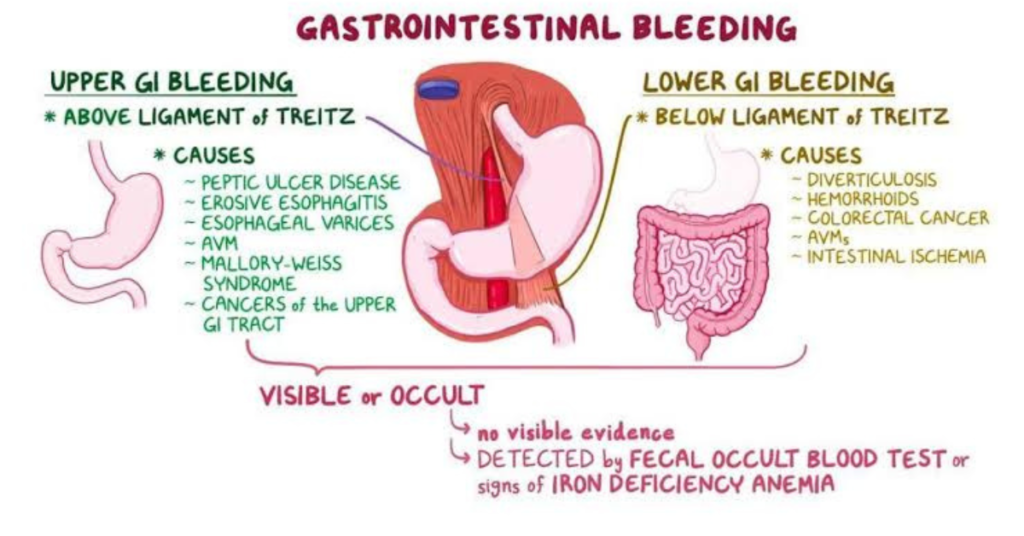
Doctors usually classify upper gastrointestinal bleeding as either acute or chronic. Acute bleeding happens suddenly. Can cause very bad symptoms that need emergency treatment. Chronic bleeding happens slowly over weeks or months. May not be noticed until there are tests that show anemia.
The severity of the bleeding depends on where the damaged blood vessel’s how much blood is lost. Small bleeds may stop on their own. Bigger bleeds can quickly lead to shock if treatment is delayed. So doctors consider severe gastrointestinal bleeding a medical emergency.
There are medical conditions that can damage the lining of the digestive tract and cause an Upper GI Bleed.
Peptic Ulcer Disease as a Common Cause
Peptic ulcer disease is the most common cause of upper gastrointestinal bleeding. Stomach acid damages the lining of the stomach or duodenum.
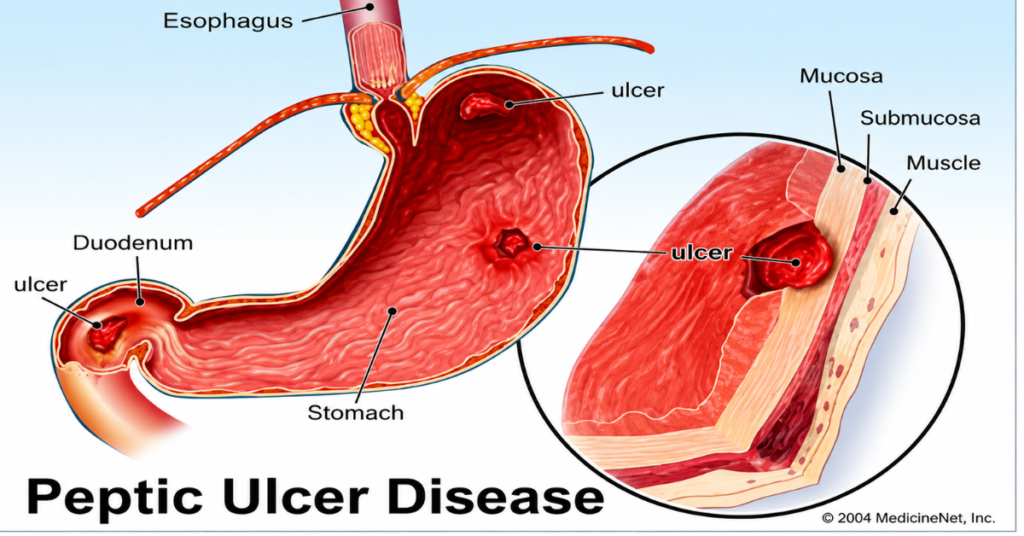
Causes ulcers. Infection with Helicobacter pylori, long-term use of NSAIDs, smoking, drinking much alcohol and stress can increase the risk of ulcers. If ulcers are not treated they can erode into a blood vessel. Cause severe gastrointestinal bleeding.
How Gastritis Causes Digestive Tract Bleeding
Gastritis is when the stomach lining gets inflamed. This can happen after drinking much alcohol taking medicine for a long time bacterial infections or severe physical stress.
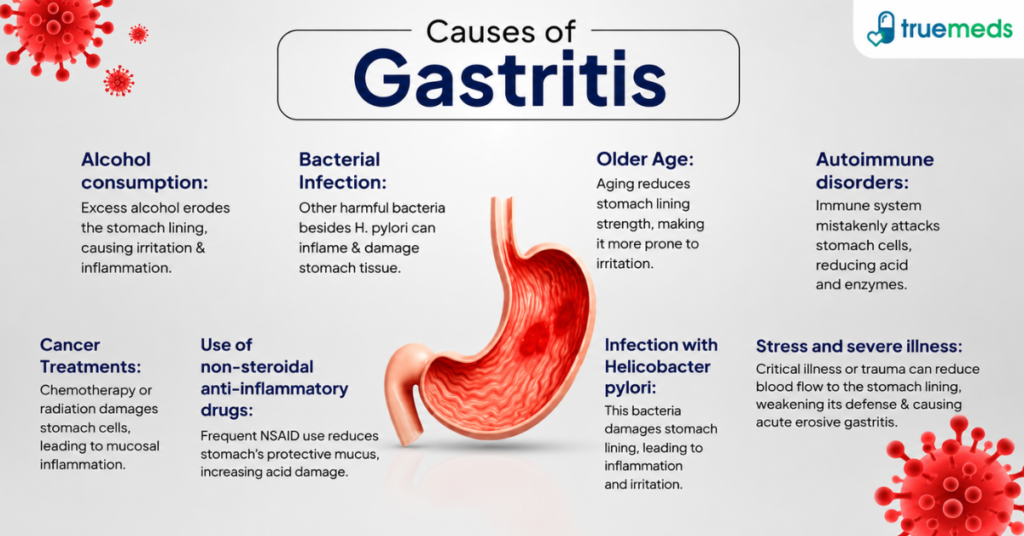
When the inflammation gets worse the stomach lining can get fragile. Start to bleed,Causing bleeding in the upper digestive tract.
Esophageal Varices and Upper GI Bleed
Esophageal varices are big veins in the lower oesophagus. They usually happen because of liver cirrhosis, which increases pressure in the vein.
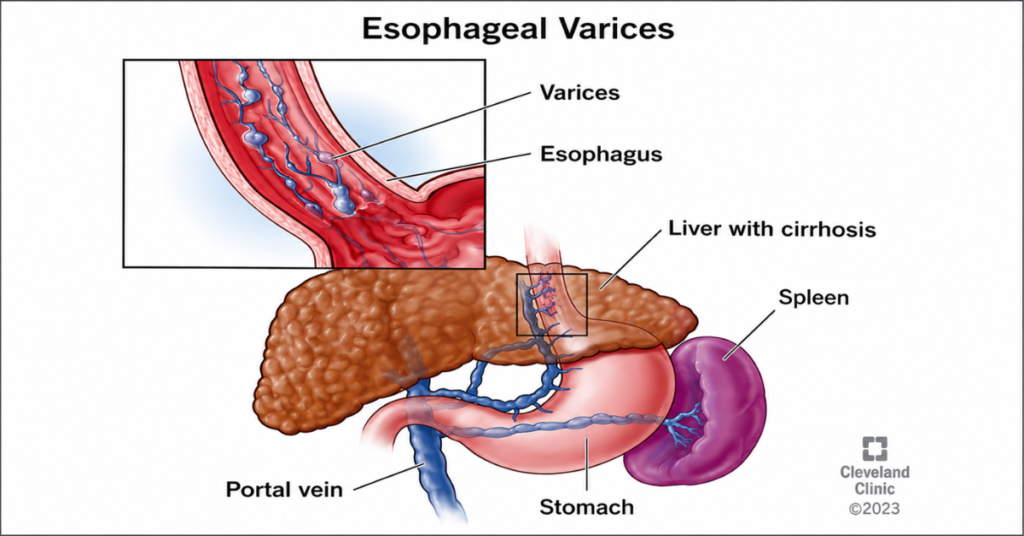
These swollen veins can. Cause a life-threatening Upper GI Bleed that needs emergency treatment.
Mallory-Weiss Tear and Upper GI Bleed
A Mallory-Weiss tear happens after vomiting times or vomiting very forcefully. This can cause tears in the lower oesophagus and lead to sudden bleeding.
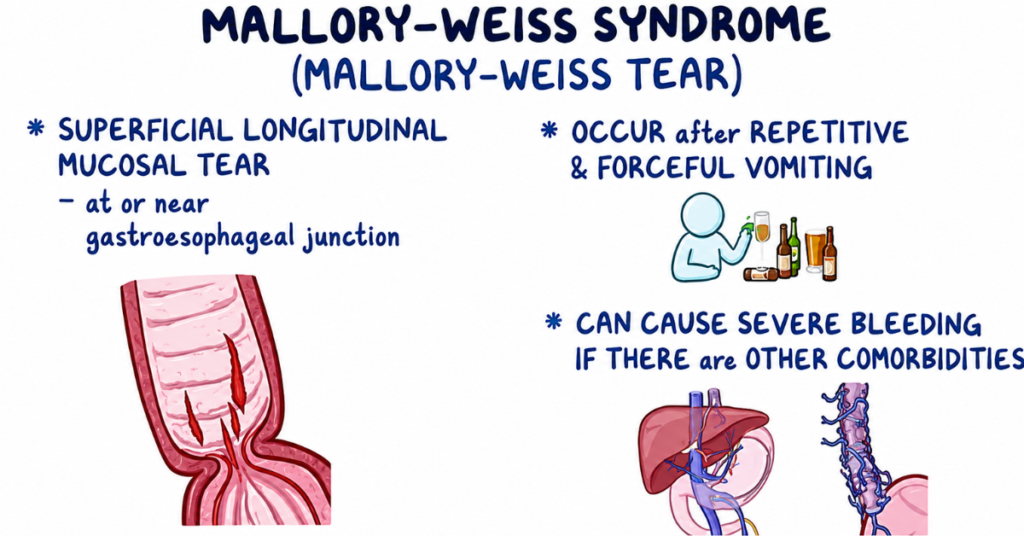
Although many tears heal on their own sometimes the bleeding can be severe. Cause an Upper GI Bleed that needs endoscopic treatment.
Esophagitis and Upper GI Tumors Causing an Upper GI Bleed
Inflammation of the oesophagus caused by reflux or infection can also cause an Upper GI Bleed.
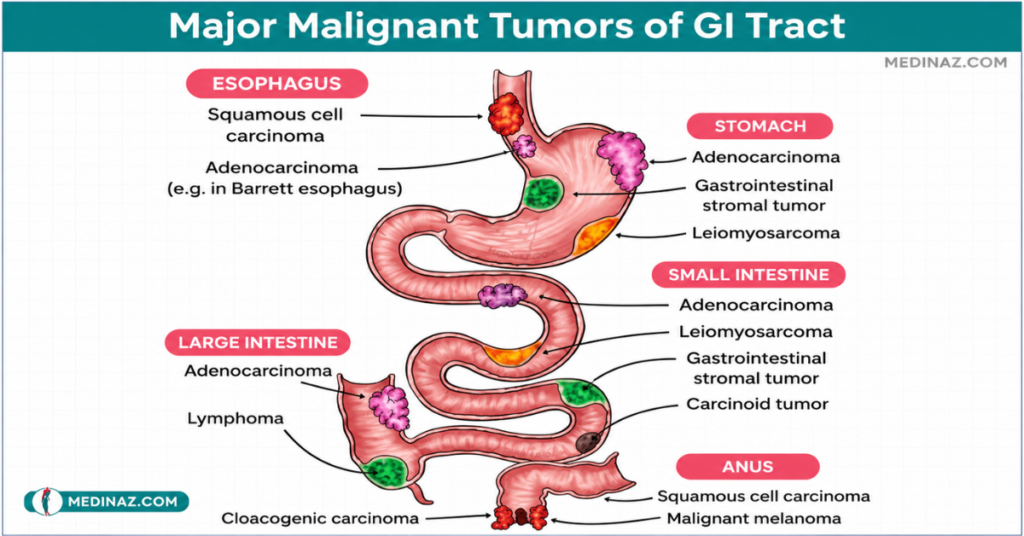
Tumors, in the oesophagus, stomach or duodenum can damage blood vessels and cause slow or rapid Upper GI Bleed episodes.
Signs and Symptoms of an Upper GI Bleed
The symptoms depend on how fast the bleeding happens and how much blood is lost. So some people may only have symptoms while others can get very sick very quickly.
One of the most recognizable symptoms is vomiting blood. The blood may look bright red if the bleeding is active.. If stomach acid has digested the blood it may look like coffee grounds.
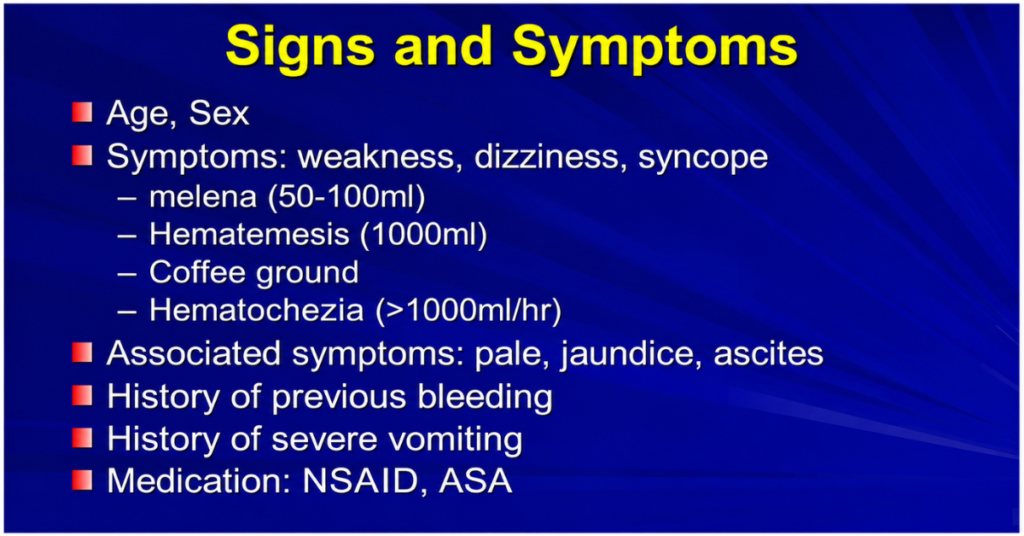
Another important warning sign is black, tarry stools. Many people also feel weak, tired, dizzy. Have pale skin, shortness of breath and a fast heartbeat because of blood loss.
In severe cases of upper gastrointestinal bleeding people may also feel confused, faint have cold clammy skin, low blood pressure and signs of shock. So anyone who has these symptoms should get emergency help right away.
