
Gastroenterology Bleeding: What You Need to Know
Gastroenterology Bleeding is a condition where there is bleeding in your tract. Your digestive tract includes the esophagus, stomach, small intestine, large intestine, rectum and anus. The amount of bleeding can be a little or a lot. It can even be life threatening.
Sometimes you might see blood in your stool. Sometimes you might feel weak and tired without noticing any blood until the condition gets worse. Every year, thousands of people seek hospital care because of digestive tract bleeding. If you get treatment early you can prevent problems like anemia, shock and organ failure. Understanding digestive tract bleeding, its causes, symptoms, and treatment can help you seek medical care before serious complications develop.
What is Gastroenterology Bleeding?
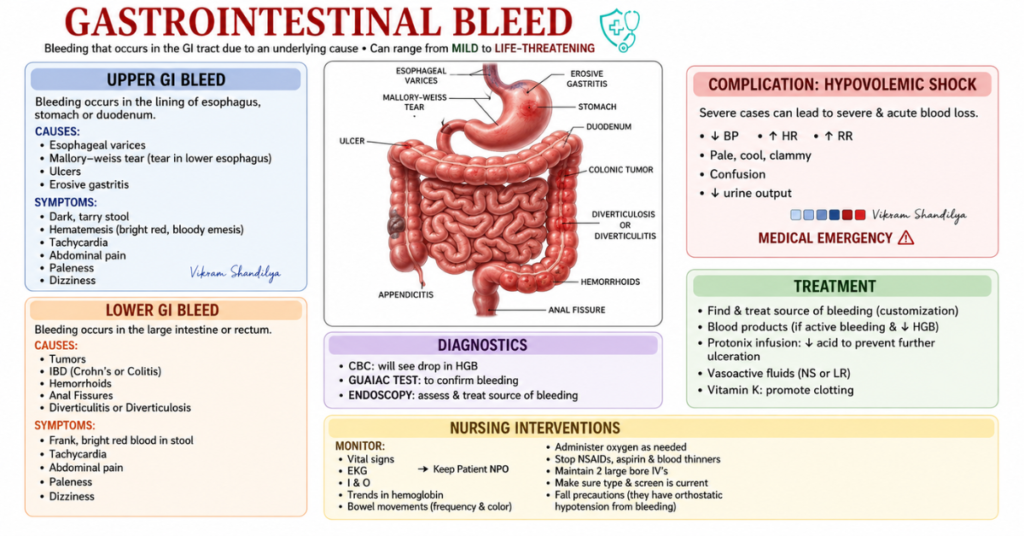
This condition happens when there is bleeding inside your digestive tract. It can be divided into two parts: bleeding and lower gastrointestinal bleeding. Upper gastrointestinal bleeding happens in the esophagus, stomach and duodenum. Lower gastrointestinal bleeding happens in the colon, rectum and anus. Where the bleeding occurs often determines what symptoms you will have and what treatment you will need.
How Bleeding Happens in Your Digestive System
There are blood vessels along your tract that bring oxygen and nutrients. If these blood vessels become damaged because of ulcers, inflammation, infections, trauma, or tumors, bleeding can occur.
Sometimes the bleeding stops on its own. Sometimes you will need to get help.
Acute versus Chronic Gastroenterology Bleeding
Doctors divide gastrointestinal bleeding into two types: chronic. Acute GI bleeding starts suddenly. You will see blood in your vomit or black stools.
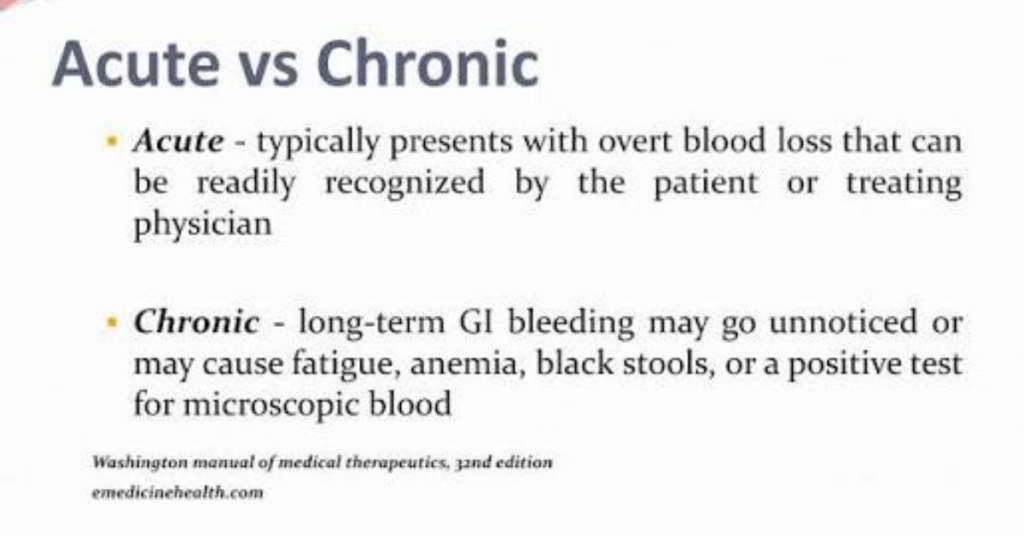
Chronic digestive tract bleeding develops slowly over time. You might not even notice any symptoms at first. You might feel tired and weak because of blood loss and anemia.
Common Causes of Gastroenterology Bleeding
Upper Gastrointestinal Causes
Peptic ulcers are a common cause of gastrointestinal bleeding. They happen when the lining of your stomach or duodenum gets damaged by stomach acid. Taking medications for a time and having H. Pylori bacteria can contribute to getting ulcers. Gastritis, or inflammation of the stomach lining, can also cause digestive tract bleeding.
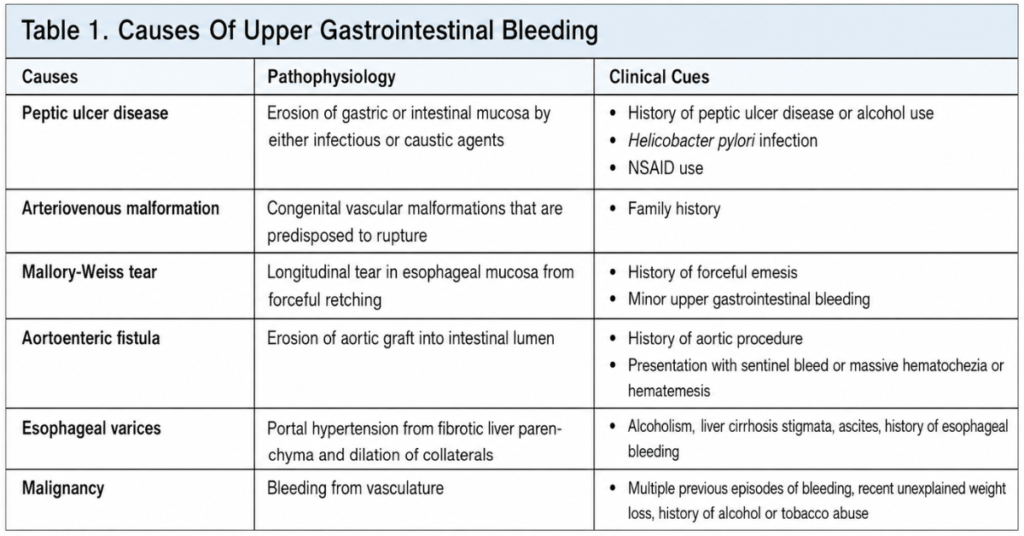
This can be caused by drinking a lot of alcohol taking medications, stress or infections. Enlarged veins in the esophagus that bleed a lot when they rupture is another cause. This is called varices. Vomiting a lot or vomiting violently can cause tears in the esophagus or stomach which is called Mallory-Weiss tears.
Lower Gastrointestinal Causes
There are conditions that can cause Gastroenterology Bleeding in the tract. These include hemorrhoids, which are enlarged veins around the anus or rectum that bleed. Tears in the anus from passing stools can cause pain and Gastroenterology Bleeding, which is called fissure. Small pouches on the wall of the intestine that bleed when a blood vessel bursts are called diverticulitis.
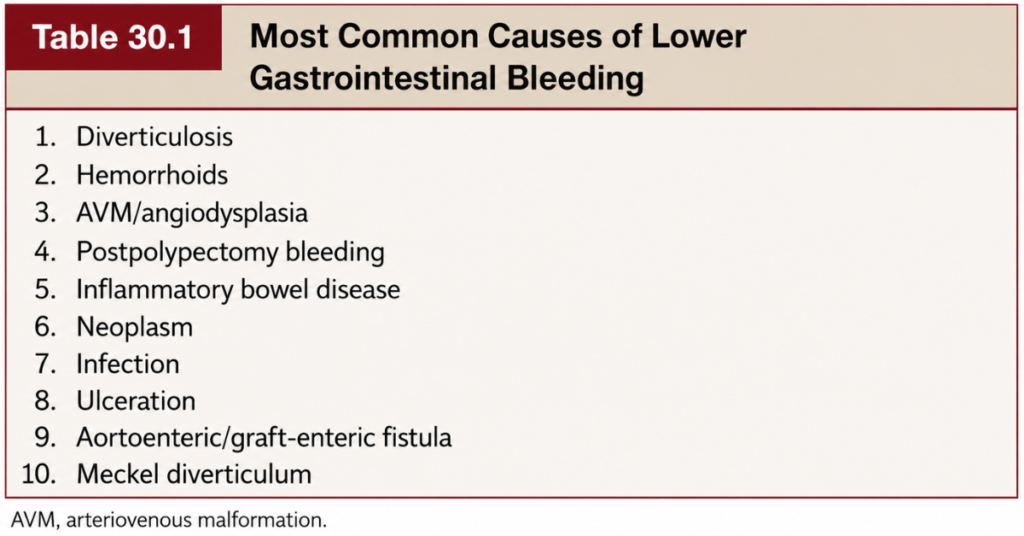
Crohn’s disease and ulcerative colitis can also cause GI bleeding. over time in the inflamed intestine. Older people are also at risk for Gastroenterology Bleeding from polyps and colorectal cancer.
Risk Factors
There are risk factors that make you more likely to have Gastroenterology Bleeding. These include taking medications like blood thinners or NSAIDs for a time having a history of digestive tract ulcers having liver disease, smoking, drinking too much alcohol having H. Pylori infections being over 45 or having a family history of colorectal cancer.
Symptoms and Warning Signs of Gastroenterology Bleeding
Symptoms
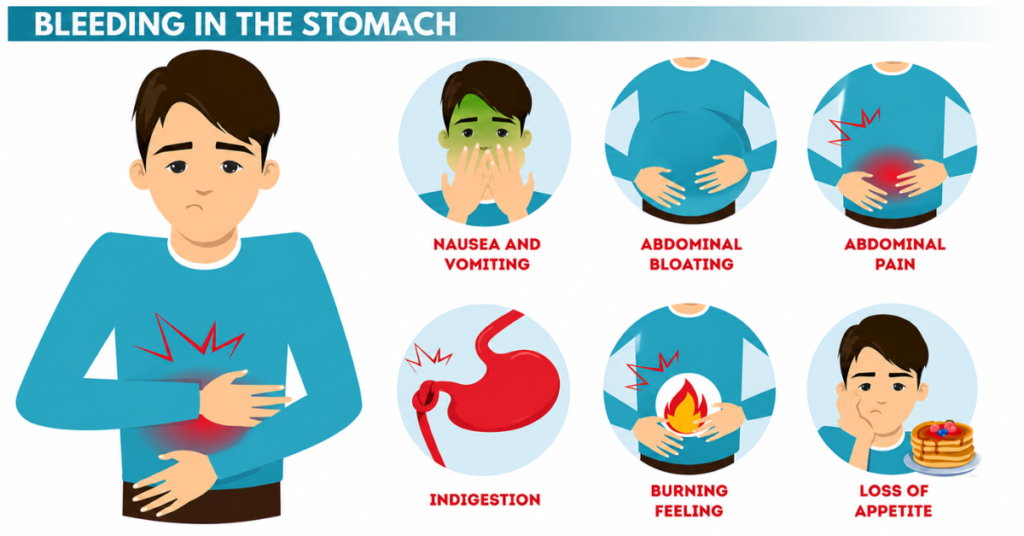
The symptoms of this condition will vary. depending on how severe the Gastroenterology Bleeding is and where it is happening. With Gastroenterology Bleeding you will see blood in your vomit, which will look like coffee grounds and you will have stools.
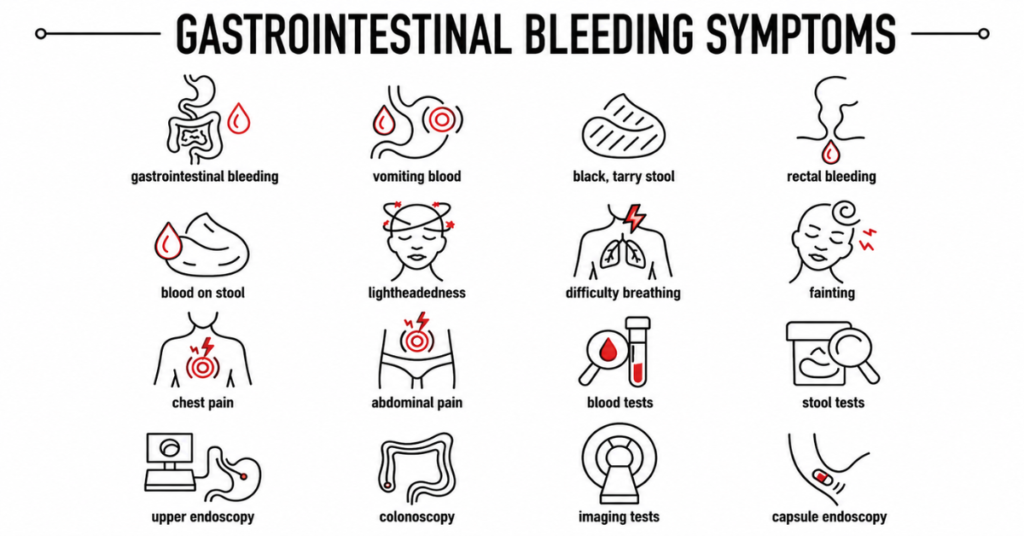
With Gastroenterology Bleeding you might see blood in your stool or maroon-colored stools blood on the toilet paper or dripping into the toilet.
Symptoms of Blood Loss
When you have Gastroenterology Bleeding you will start to feel the effects of losing blood. You might feel dizzy, weak have shortness of breath have a heart rate and not be able to exercise like you used to. Your blood can also become low in iron if you lose a lot of blood from Gastroenterology Bleeding.
Emergency Signs of Gastrointestinal Bleeding
If you have Gastroenterology Bleeding it is an emergency. If you see any of these symptoms you need to call for emergency help. These symptoms include vomiting a lot of blood, heavy rectal bleeding, severe abdominal pain feeling like you are going to faint being confused having blood pressure or shock from Gastroenterology Bleeding.
Treatment:
Medical Evaluation
Your doctor will ask you about your history, including what medications you’re taking and how much alcohol you drink. They will also ask about your bowel habits. They will do an exam to try to find the cause of the Gastroenterology Bleeding.
Diagnostic Tests for GI Bleeding
Blood tests can check for anemia, iron levels, blood clotting, kidney function and liver function. Stool sample tests can detect blood. Your doctor might also do an endoscopy, which’s a procedure where a tube with a camera is put into your digestive tract. Depending on where the Gastroenterology Bleeding’s it might be a gastroscopy or colonoscopy. If your doctor cannot see the source of the Gastroenterology Bleeding with an endoscopy they might do a CT angiography scan or radionuclide imaging.
Treatment Options for Gastrointestinal Bleeding
Treatment depends on the cause, the location of the bleeding, and its severity and how severe it is. Your doctor might prescribe medications like proton pump inhibitors, antibiotics or NSAIDs. They might also use clips, heat, injection therapy or band ligation to stop the Gastroenterology Bleeding during an endoscopy.
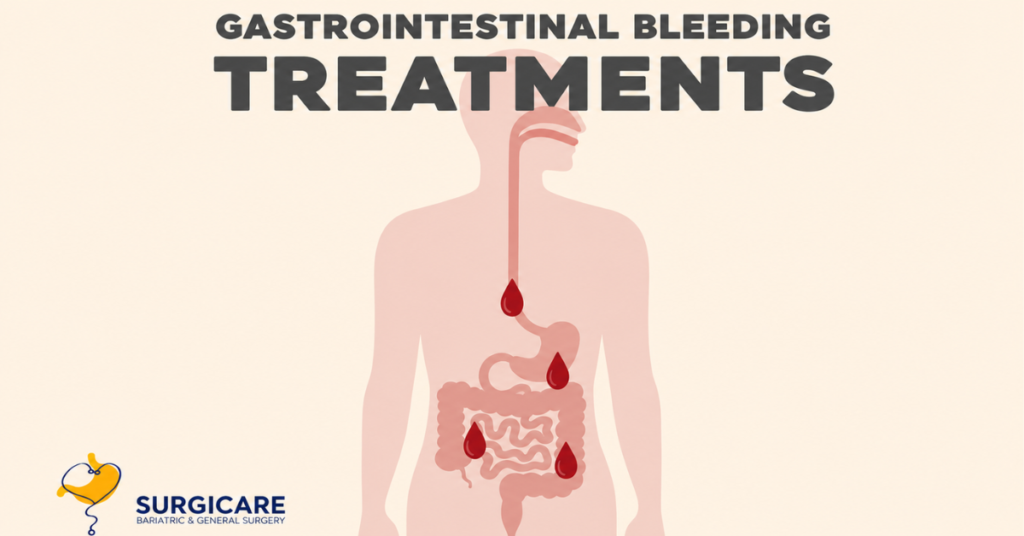
If you are losing a lot of blood you might need IV fluids and blood transfusions. Surgery is usually only needed if the Gastroenterology Bleeding cannot be controlled with an endoscopy or if there is cancer, tissue damage or a perforation.
