
Understanding the Causes, Symptoms, Diagnosis and Treatment
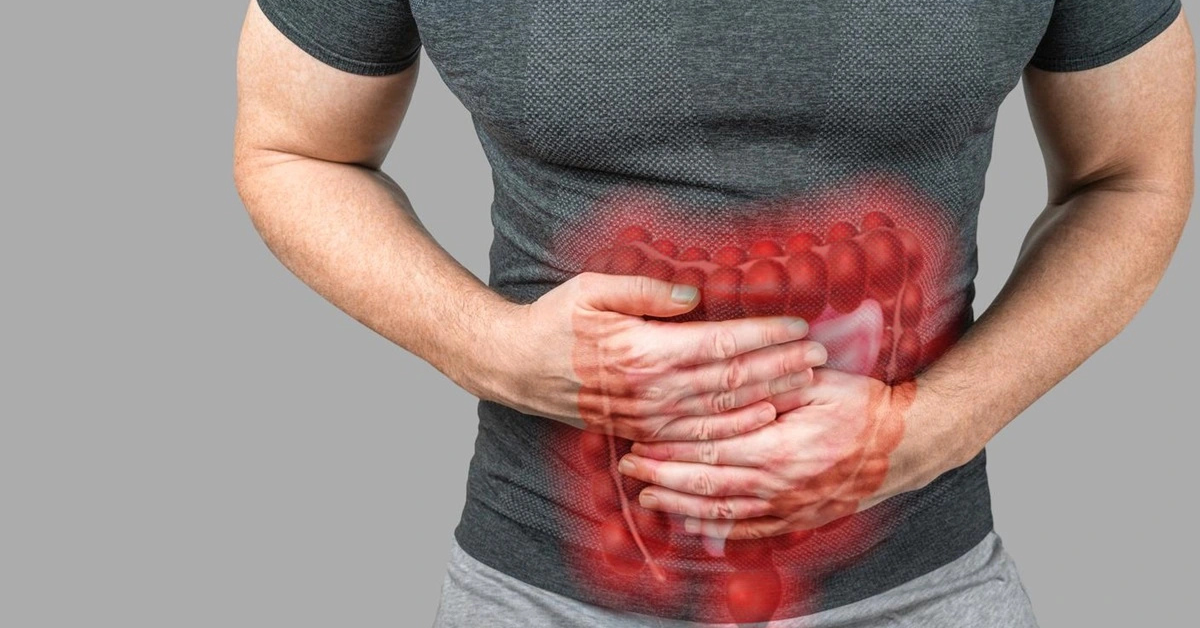
Our body has a system of organs that work together. Most of the time it works fine without us even thinking about it. When digestive bleeding happens it can become a problem. In fact, doctors often call this condition GI tract bleeding. This condition is what happens when there is blood loss somewhere in our digestive system
In fact, this condition is not a disease by itself. Instead, it is a sign that something’s wrong with our digestive system. In fact, the bleeding can start in the esophagus, stomach, small intestine, colon, rectum or anus. How severe the bleeding is depends on where it starts and how much blood is lost. Depending on the cause, the bleeding can be mild or very severe. Therefore, the condition can be so mild that we do not even notice it or it can be very severe and cause problems.
One thing about this condition is that it does not always cause symptoms. Some people may see blood while others might feel tired, dizzy or weak. Understanding what causes this condition what the symptoms of this condition are and how it is treated can help people recognize the warning signs of GI tract bleeding.
What Is GI Tract Bleeding and Why Does It Occur?
Simply put, this condition means there is blood loss somewhere in our system. For example, our digestive system has blood vessels. If one of these vessels gets damaged Bleeding can occur. The bleeding can happen for several reasons.
Generally, doctors divide this condition into two categories.
Upper GI Tract Bleeding
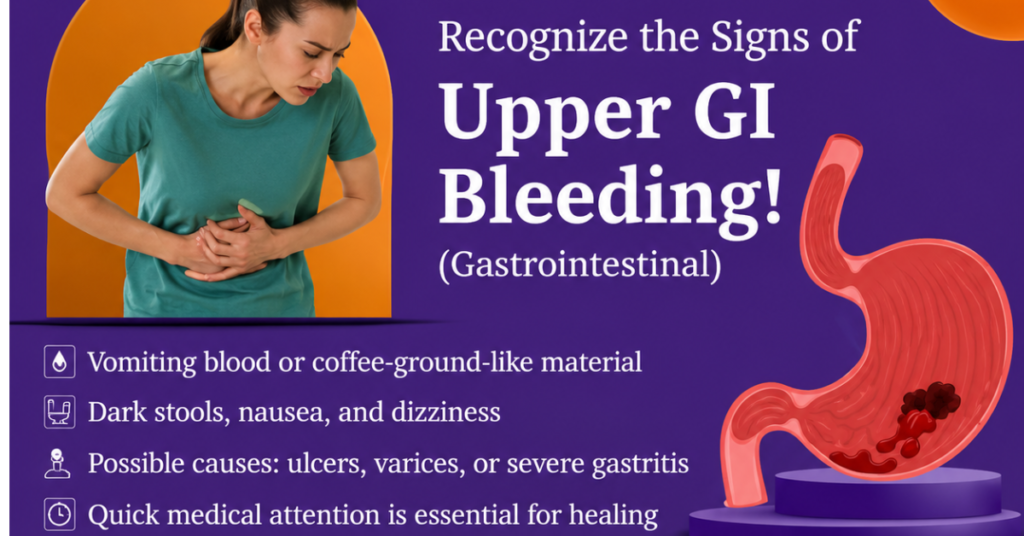
Typically Upper GI tract bleeding starts in the esophagus, stomach or duodenum. Common symptoms of upper GI tract bleeding include vomiting blood vomiting that looks like coffee grounds black tarry stools feeling weak and feeling dizzy. For example, upper GI tract bleeding often happens because of ulcers, gastritis, or problems with the esophagus. Upper GI bleeding is usually more serious than lower GI bleeding.
Lower GI Tract Bleeding
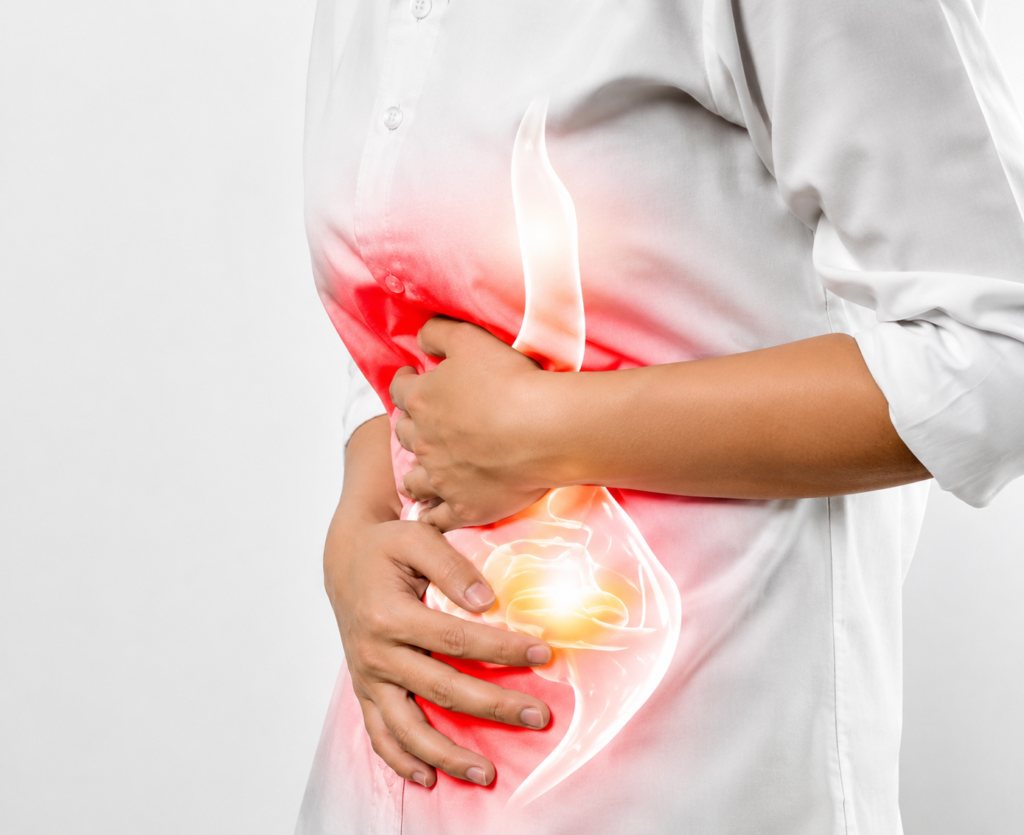
On the other hand, lower GI tract bleeding happens in the intestine, colon, rectum or anus. People with lower GI tract bleeding might experience blood in their stool, diarrhea, bleeding from the rectum or bowel movements that’re maroon-colored. The way the blood looks can help doctors figure out where the bleeding is coming from. However, lower GI bleeding can be harder to diagnose than the than upper GI bleeding.
Acute vs. Chronic GI Tract Bleeding
In contrast, acute bleeding happens suddenly. Meanwhile, Chronic bleeding develops slowly over time. A doctor should examine both types of bleeding. Acute bleeding is usually more serious than chronic bleeding.
Common Causes of GI Tract Bleeding
Several conditions can cause this type of bleeding. For example, peptic ulcers and gastritis are common causes.
Peptic Ulcers
For example, peptic ulcers are a leading cause of upper GI tract bleeding. They happen when stomach acid damages the lining of the stomach. Things that can increase the risk of getting ulcers include being infected with Helicobacter pylori taking NSAID pain relievers often smoking and drinking alcohol. Therefore, the peptic ulcers can cause problems if doctors do not treat them.
Gastritis
Basically, gastritis is when the stomach lining gets inflamed. For instance, common causes include drinking alcohol taking medicines being under a lot of stress and having an infection. The gastritis can cause pain and discomfort in the stomach.
Esophageal Varices

Esophageal varices are veins in the esophagus that can bleed easily. They often happen in people with liver disease. As a result, if these veins break they can cause severe bleeding. Doctors should treat esophageal varices right away.
Diverticular Disease
Diverticula are pouches that can form in the wall of the colon. As a result, bleeding can occur if nearby blood vessels become damaged. The diverticular disease can cause pain and discomfort in the stomach.
Inflammatory Bowel Disease
Conditions like Crohns disease and ulcerative colitis can cause inflammation and ulcers in the GI tract. Additionally, people with these conditions often experience pain, diarrhea feeling tired and losing weight. Doctors should treat inflammatory bowel disease immediately.
Hemorrhoids and Anal Fissures
These common conditions can cause digestive tract bleeding. The hemorrhoids and anal fissures can be painful and uncomfortable.
Colorectal Cancer
Colorectal cancer can also cause digestive tract bleeding In some cases, the only symptom of cancer is digestive tract bleeding. Therefore, the colorectal cancer can be very serious. Need to be treated right away.
Warning Signs of GI Tract Bleeding
The symptoms depend on where the bleeding starts how much blood is lost. However, some signs are easy to see, while others might take a while to notice.
Symptoms of GI Tract Bleeding
Common visible signs of digestive tract bleeding include blood in the stool black tarry stools vomiting blood and blood mixed with stool.People should take the symptoms of this condition seriously.
Symptoms of Chronic GI Tract Bleeding
If bleeding happens slowly over time it can lead to anemia. Common symptoms of anemia include feeling tired feeling weak skin problems and feeling dizzy. The anemia can be very serious. Need to be treated right away.
Digestive Symptoms
This condition can also cause pain, nausea, vomiting and changes in bowel habits.The digestive symptoms can be very uncomfortable, and doctors should treat them promptly.
Emergency Warning Signs
If the bleeding is severe it can be life-threatening. Therefore, people should get help immediately if they experience if they experience a lot of blood loss, fainting, a fast heartbeat or severe belly pain. People should take the emergency warning signs seriously.
How GI Tract Bleeding Is Diagnosed and Treated
It is very important to find out what is causing the bleeding. Treatment depends on where the bleeding is coming from.
Medical History and Physical Examination
Doctors will ask about your symptoms. In addition, they may perform a physical examination. The doctors need to know as much as possible about the condition.
Laboratory Testing
For example,Common blood tests include a blood count and iron studies. The laboratory testing can help doctors figure out what is causing the bleeding.
Endoscopy
An endoscopy is a test that lets doctors look inside the GI tract. It uses a camera to examine the esophagus, stomach and duodenum. The endoscopy can help doctors figure out .what is causing the bleeding
Colonoscopy
A colonoscopy is a test that lets doctors look inside the colon. It is used to find the source of the bleeding. The colonoscopy can help doctors figure out. .what is causing the bleeding,
Treatment Options

Treatment depends on the underlying cause of the bleeding. on what’s causing the GI tract bleeding. Common treatments include medicines to reduce stomach acid, antibiotics and blood transfusions. The treatment options can help people feel better and prevent problems.
Preventing GI Tract Bleeding and Maintaining Digestive Health
There are several ways to reduce the risk of digestive tract bleeding
Follow a Healthy Diet
Eating a diet that’s high in fiber can help keep the digestive system healthy. The healthy diet can help prevent GI tract bleeding.
Use Medications Carefully
Taking pain relievers for a time can increase the risk of ulcers and GI tract bleeding. The medications need to be taken
Limit Alcohol Consumption

Drinking alcohol can damage the digestive tract. The alcohol consumption needs to be limited.
Avoid Smoking

Smoking can increase the risk of ulcers and digestive inflammation. People should avoid smoking.
Manage Chronic Conditions
In addition, taking care of conditions like reflux and peptic ulcers can help reduce the risk of GI tract bleeding. The chronic conditions need to be managed
This condition is a sign that something is wrong, with our digestive system. It often indicates an underlying condition that doctors should treat. Common causes include ulcers, gastritis and colorectal cancer. Therefore, if people recognize the symptoms of this condition early and get help, they can reduce the risk of complications. of this condition early and get help they can reduce the risk of complications. Furthermore, taking care of their health through lifestyle changes is also important. People should talk to their doctor about this condition and how to prevent it. This condition requires immediate medical attention. People should not ignore the symptoms of this condition. They should get help away if they experience any of the warning signs of GI tract bleeding.
