
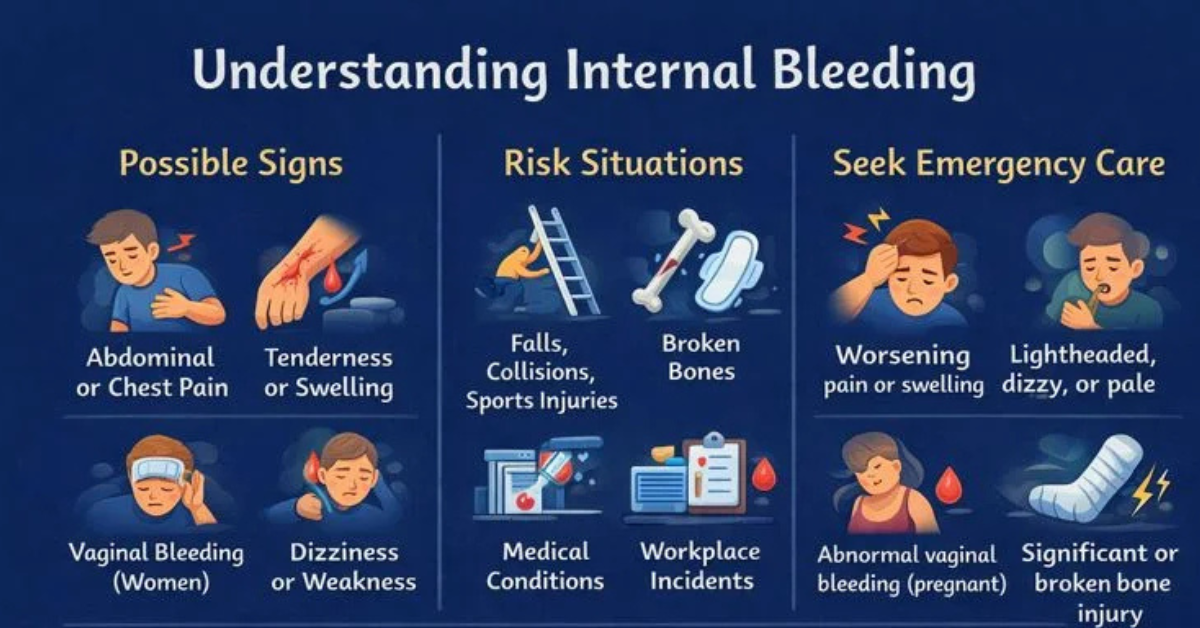
Recognizing the Hidden Signs of Internal Bleeding
Inner Bleeding Symptoms can be difficult to recognize because internal bleeding happens inside the body rather than through the skin. Internal bleeding is a serious medical condition that occurs when blood leaks from damaged blood vessels or organs. Inner Bleeding Symptoms may not always be obvious at first, but they can quickly become life-threatening if left untreated. Learning to recognize Inner Bleeding Symptoms is important because early diagnosis and treatment can prevent serious complications. If you notice possible Inner Bleeding Symptoms, seek immediate medical attention to determine the cause and receive proper treatment..
The body is surrounded by blood vessels carrying oxygen and nutrients to all organs in your body. If any one of the blood vessels break blood will spill and can be found inside your body. The internal bleeding could be anything from mild to very severe. In some cases, internal bleeding may manifest itself slowly over a day or hours and in other cases it will have an sudden and immediate impact on you. You must seek emergency care if your notice any sign of internal bleeding.
You should understand the different signs of internal bleeding, in case they occur to someone you know. If you know what warning signs to look for it could save someones life. Inner bleeding signs are important.
What Is Internal Bleeding. Why Does It Happen?
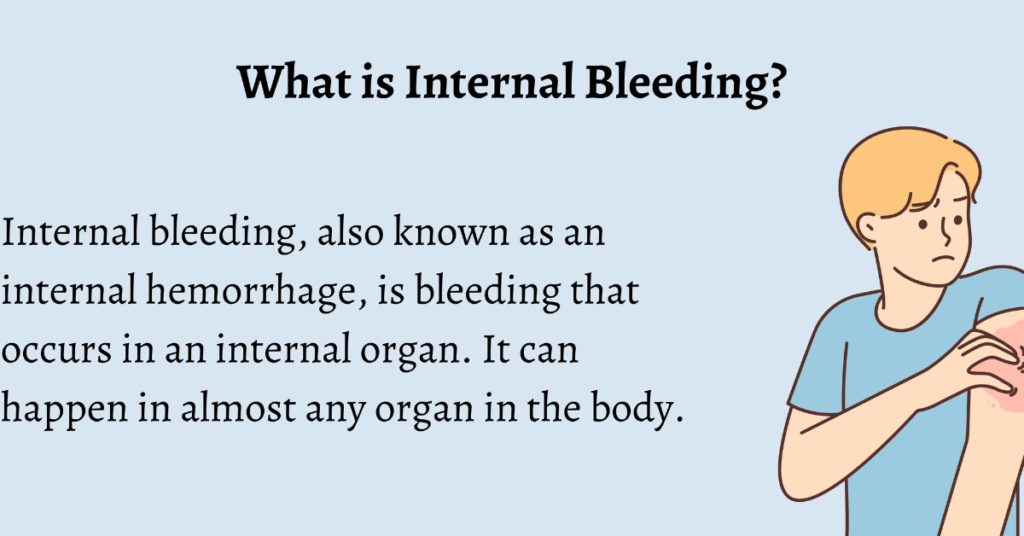
Internal bleeding happens when blood leaves its intended path inside of a blood vessel and fills a void within your body. The specific areas of your body where internal bleeding could occur include:
- Your brain
- Your chest
- Your abdomen
- Your digestive tract
- Your muscles and soft tissues
There are several different reasons why blood might be bleeding internally:
Inner Bleeding Symptoms Caused by Traumatic Injuries
A traumatic injury can be caused by various situations including car accidents, falls, sports injuries, etc.
These strong impacts could rupture an organ or blood vessel even if there are no outwardly signs of injury. Traumatic bleeding could happen to anyone.
Inner Bleeding Symptoms Linked to Medical Conditions
In some cases, a condition you are afflicted with may put you at an increased risk of experiencing blood loss.
Some illnesses which put you at risk for bleeding include:
- Ulcers of the stomach
- Disease of the liver
- Blood clotting disorder
- GI bleeding
- Aneurysm
Medications
If you are taking certain medications that thin your blood you are also at a greater risk of bleeding internally. These medications were originally prescribed to you for reasons involving blood clots. Internal bleeding could result from taking this type of medicine.

If you are taking certain medications that thin your blood you are also at a greater risk of bleeding internally. These medications were originally prescribed to you for reasons involving blood clots. Internal bleeding could result from taking this type of medicine.
Surgical Complications and Inner Bleeding Symptoms
Internal bleeding can also arise as a complication during and after medical operations or surgical procedures have been performed. Internal bleeding is a risk of this type of procedure.
Common Inner Bleeding Symptoms You Should Never Ignore
Inner bleeding causes symptoms which may range from mild to severe based upon what part of the body is damaged and how much blood loss occurred. Some symptoms will be very subtle; others will present immediate concern. It can be hard to identify inner bleeding signs.
Weakness and Fatigue as Inner Bleeding Symptoms
One of the most important warning signs is unusual fatigue. This may occur because of the lack of blood within the body. The amount of blood lost affects how much oxygen goes to the body. With less blood circulating through your body:
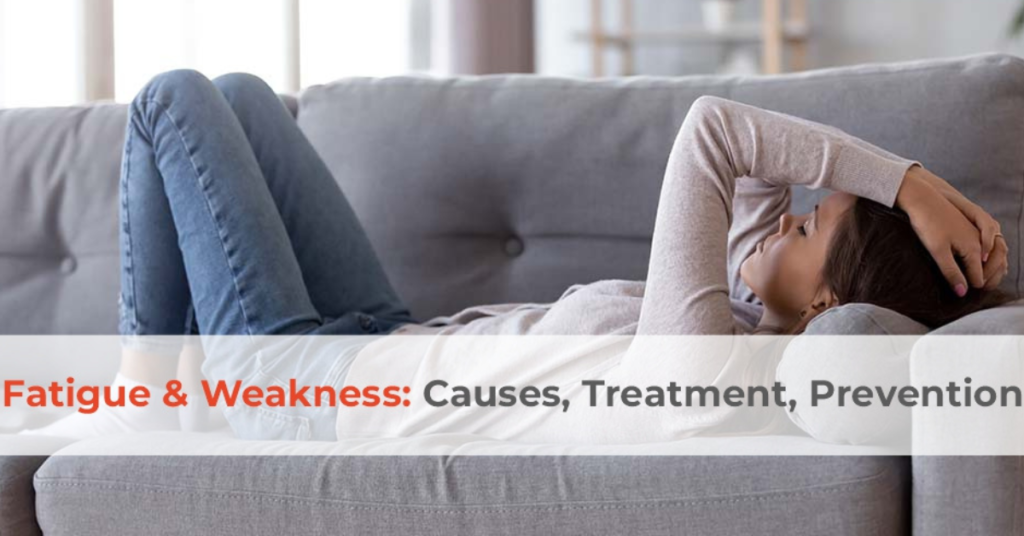
- Energy levels
- Weakness
- Loss of stamina
- Performing activities becomes very difficult
Dizziness and Lightheadedness as Inner Bleeding Symptoms
When an amount of blood is lost from the body there will be a change in blood pressure and circulation. This may cause:
- Dizziness
- Lightheadedness
- Feeling
- Loss of balance
Pale Skin as One of the Inner Bleeding Symptoms
A considerable amount of blood loss can turn skin abnormally pale. If your skin is pale, it may be that your lips, face, or fingertips lose their coloring due to the absence of blood circulation. This is an indicator of bleeding.
Rapid Heartbeat and Inner Bleeding Symptoms
Your body may try to overcome an internal bleed through the rapid circulation of blood. The results would be:
- Increased heart rate
- Palpitations
- Shortness of breath
Unexplained Pain and Inner Bleeding Symptoms
The occurrence of unusual pain is another critical symptom that points to internal bleeding. This pain usually occurs in or around the area where the bleeding took place. Some types of unexplained pain include:

- Pain in your stomach
- Pain in your chest
- A headache
- Back pain
Internal Bleeding Symptoms Based on Location
The internal bleeding symptoms will also be different depending on which area in your body is experiencing the bleeding. Internal bleeding can have unique symptoms in each section of the body.
Internal Bleeding in the Brain
This type of internal bleeding should be treated as an emergency, due to the sensitivity of the brain. Symptoms of brain bleeds include:
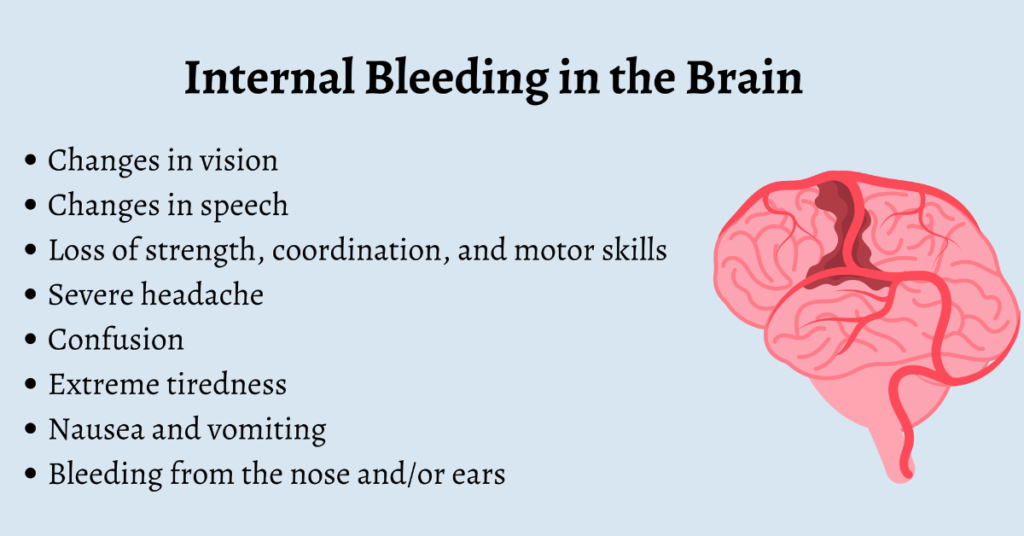
- Headache
- Visual impairment
- Right side of the body is weaker than left
- Can’t speak correctly
- Confusion
- Blacking out
Inner Bleeding Symptoms in the Abdomen
Internal bleeding in this area causes the most warning symptoms such as:

- stomach ache
- swelling of the stomach
- tendency to hurt
- feeling sick
- vomiting
Internal Bleeding in the Chest
Bleeding within the chest can be very serious since it affects the lungs, heart and chest cavity. If bleeding is occurring in the chest cavity symptoms may include:
- Pain in the chest
- Breathing difficulty
- Heartbeat
- Shortness of breath
Gastrointestinal Internal Bleeding
If the bleeding is in your digestive tract it may come out as:
- Vomiting blood
- Black, tar-like stools
- Bright red blood in stool
- Fatigue
- Anemia
Muscle and Soft Tissue Bleeding
Internal bleeding into your muscles can cause pain. You may also notice:
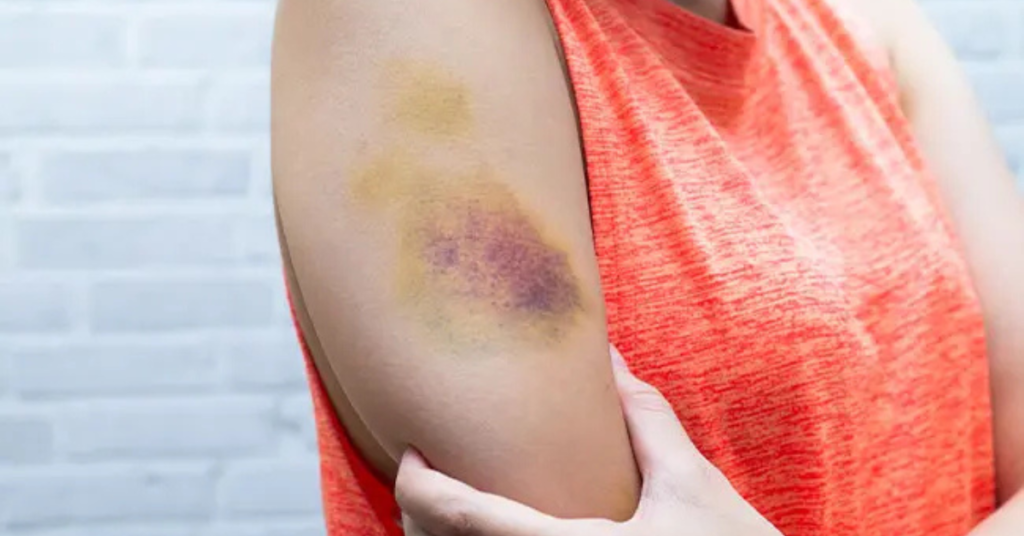
- Swelling
- Bruising
- Pain
- Restriction of movement
Serious Warning Signs That Require Emergency Treatment
When internal bleeding has escalated to a serious or even fatal condition, there will be signs that it’s getting worse. These include:
Signs of Shock
When you do not have enough blood circulation the organs in your body will not get enough oxygen. Signs of shock are:
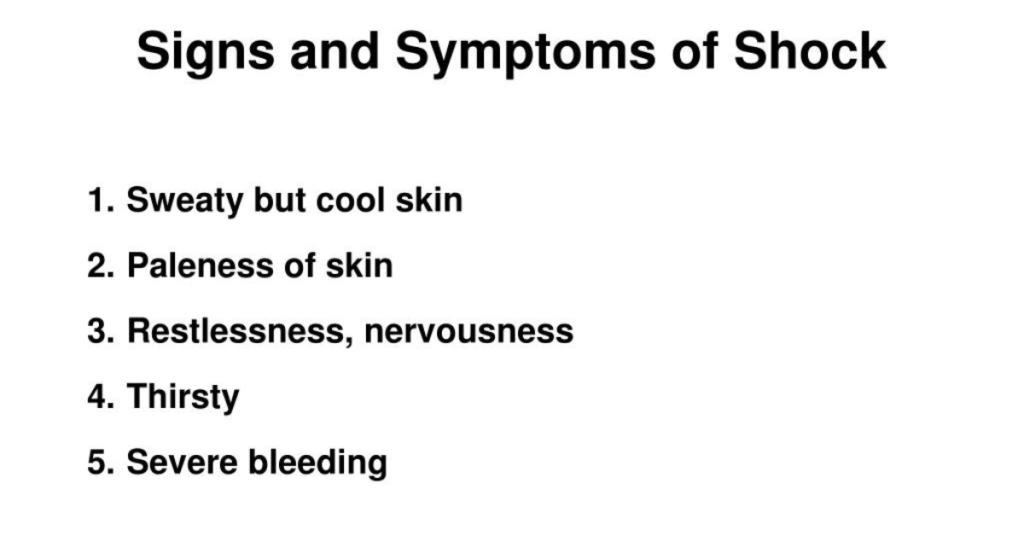
- rapid heartbeat
- low blood pressure
- skin
- confusion
- agitation
- loss of consciousness
Severe Abdominal Distention
If you have a lot of blood inside your abdomen then it will begin to swell with the amount of fluid within the organs.
Difficulty Breathing
When a victim has a great shortness of breath, it could be because of the blood in the lungs; therefore, seeking help is essential.
Neurological Changes
When you witness the sudden onset of confusion, slurred speech, or even seizures and weakness in a victim then there is a significant chance that there is a brain bleed occurring.
Diagnosis, Treatment and Prevention of Internal Bleeding
Early detection is an important step in determining how healthy the outcome will be. Your doctors will need to perform a few medical tests and observations to pinpoint where the inner bleed is and what is causing it. Inner bleeding diagnosis is crucial.
Medical Evaluation
A doctor will perform some important tests by taking note of:
- What symptoms are happening
- How the injuries occurred
- Any medicine that has been prescribed
- Health issues currently present in the body
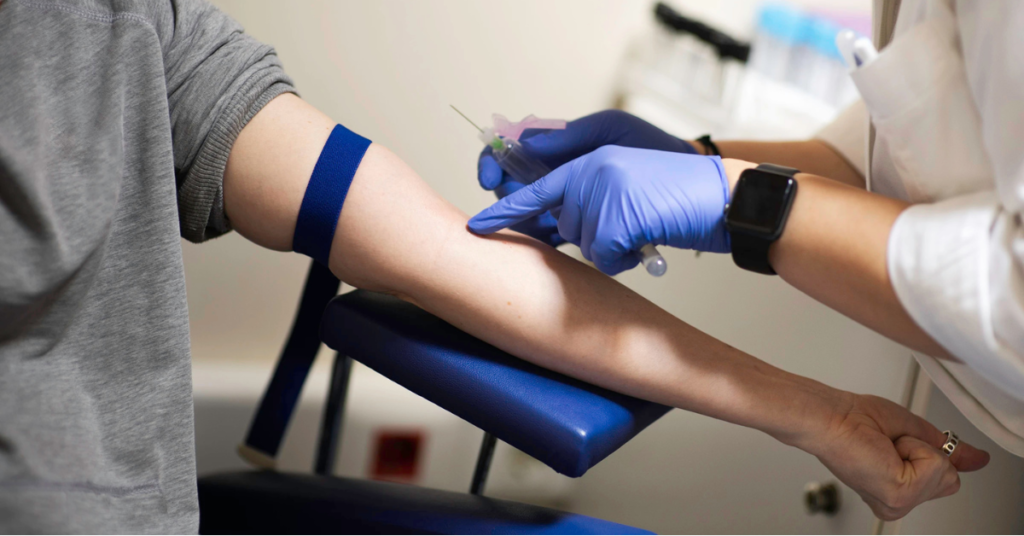
Blood Tests for Inner Bleeding Symptoms
Once you are tested at a laboratory, a health professional can see from your blood:
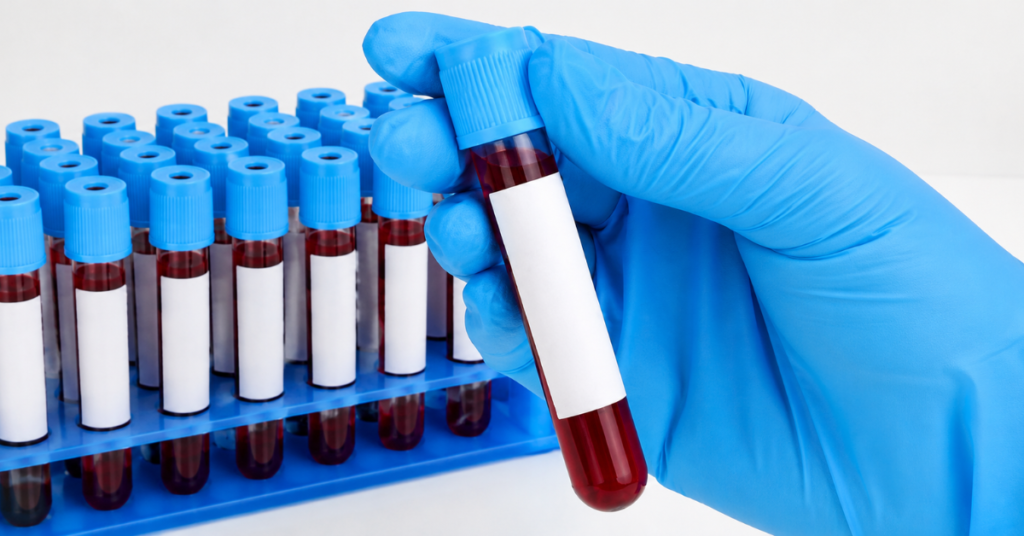
- Amount of blood loss
- Anemia
- Any blood clotting defects
Imaging Tests for Inner Bleeding Symptoms
There are many modern tests that will provide very clear and accurate images of where the bleeding is and how bad it is. These can include:
- CT scans
- MRI scans
- Ultrasound
- X-rays
Treatment Options
Treatment is determined by the cause and the location of internal bleeding. Some methods to prevent more blood loss from occurring are:
- IV fluids
- blood transfusion
- prescription medications
- endoscopic surgery
- surgery
How to Prevent Inner Bleeding Symptoms
While you cannot always prevent inner bleeding, you can greatly reduce the chances of experiencing it by:
- Always take medicine as directed.
- Wearing any protection that is needed for sports activities you take part in.
- Effectively manage and treat medical conditions that you may have.
- Regularly check-in with your doctors office and discuss your overall health.
- See a doctor immediately after any injury that causes pain, or could have injured an organ internally.
Not only do you have to be aware of the inner bleeding signs but when inner bleeding symptoms are recognized they can save a persons life. The danger is contingent upon what body part is damaged, why the damage occurred, and how much blood was actually lost. Your life can be kept safe if you simply acknowledge the inner bleeding signs. Inner bleeding signs are important.
