
Causes, Symptoms, Diagnosis, Treatment, and Prevention Hematochezia
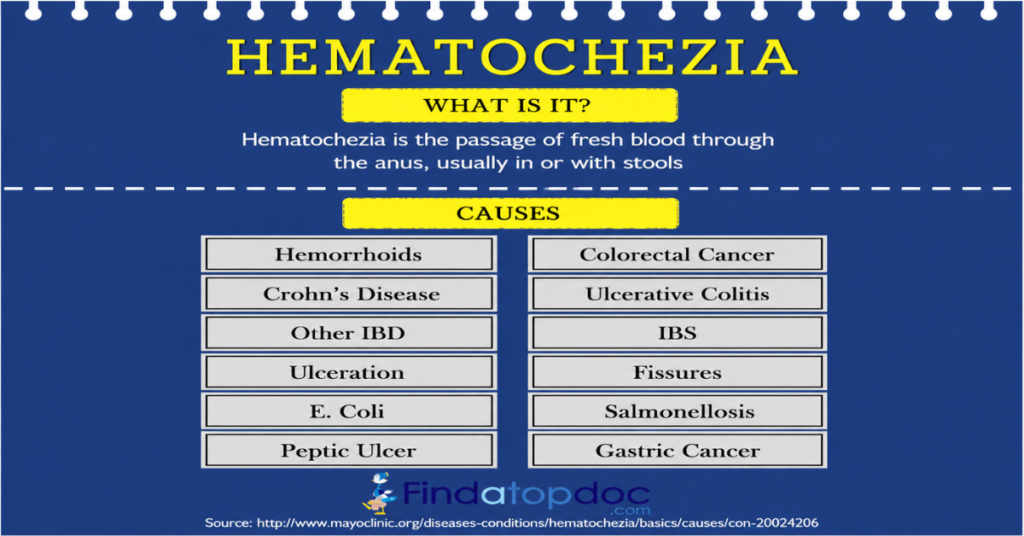
Hematochezia means passing bright red or maroon blood through the rectum. It usually indicates bleeding from the lower digestive tract. In some cases, bleeding from the upper gastrointestinal tract can also cause bright red blood.well.
Seeing blood in your stool can be frightening. However, you should never ignore it. Not all cases of blood in the stool necessitate immediate medical attention.
Hematochezia causes and rationale:
How does this happen?
Hematochezia refers to any blood within the stool or seen with a bowel movement. The blood looks bright red because it does not travel far through the GI tract. Bleeding usually starts in the colon, rectum, or anus. It occurs when blood vessels become damaged or inflamed. Many conditions can cause bleeding in the GI tract. Doctors first identify the source before starting treatment.
The severity depends on the cause and the amount of blood lost. Some people notice only a few drops. Others need emergency medical treatment. We usually use things like age, existing medical conditions, use of medicines, family history, to identify cause and perform necessary tests to see bleeding from your rectum.
Reasons for bleeding:
A variety of factors can cause a person to bleed rectally. Some causes are benign; other sources of bleeding could signal a significant underlying condition. Some of these factors include: -Hemmorhoids: Bleeding occurs in enlarged, irritated veins located just within and about the anus.

This condition is a common reason for bleeding in the stool that commonly happens during, or after, an enema or a stool. -Anal Fissures: A small torn in the anus lining can happen when trying to pass too much hard or overly large feces out of the body and it causes painful and the red bloody stools.
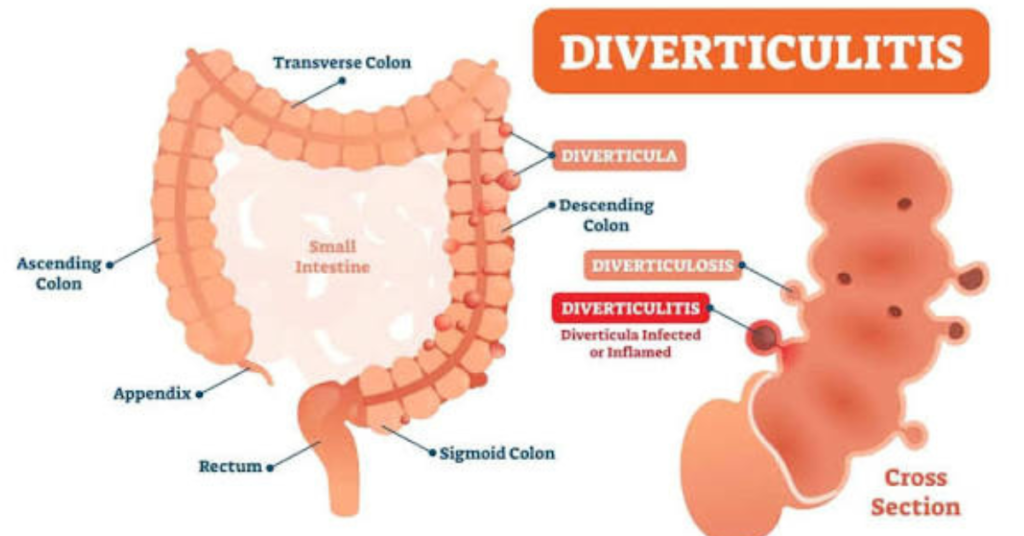
Diverticulitis:
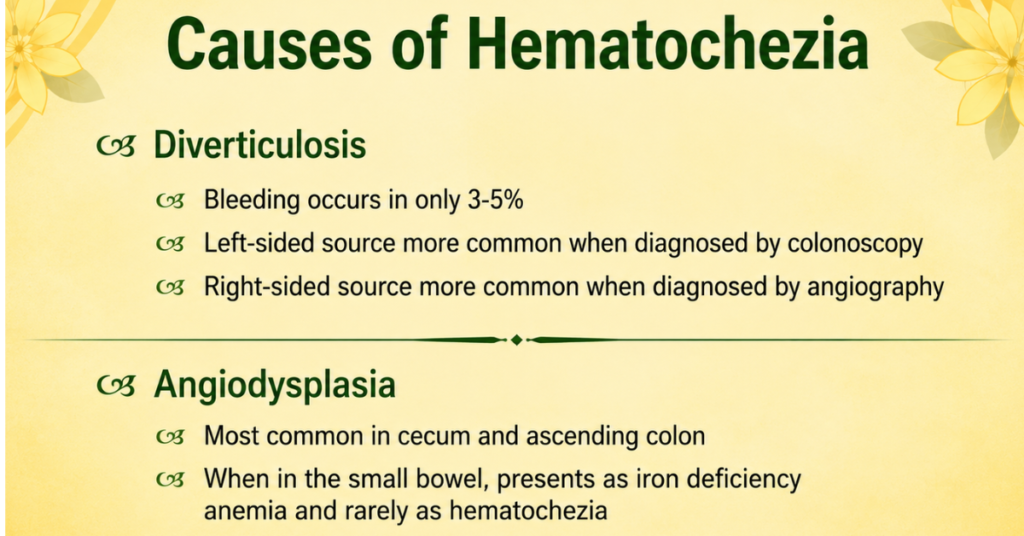
A diverticulum, or pocket, forms in the bowel and in severe cases these diverticuli bleed as much as a cup per hour. Often this type of bleeding is painless.
Other common causes of bleeding may include inflammatory bowel diseases such as crohn’s or ulcerative colitis, bacterial or parasitic infections in the intestines, cancer and polyps (especially in older people) and the use of certain medications (i.e., NSAIDs, anti-coagulants, and aspirin).
When to see a doctor for rectal bleeding;symptoms:
Blood may appear during a bowel movement. The stool may look pink or red. It may also contain bright red streaks. Other symptoms related to hematochezia may include severe pain in the rectum; bloating; changes in bowel habits like alternating diarrhea and constipation; vomiting; weight loss; loss of appetite; feeling of incompleteness; fever; dizziness and lightheadedness; feeling tired or faint.
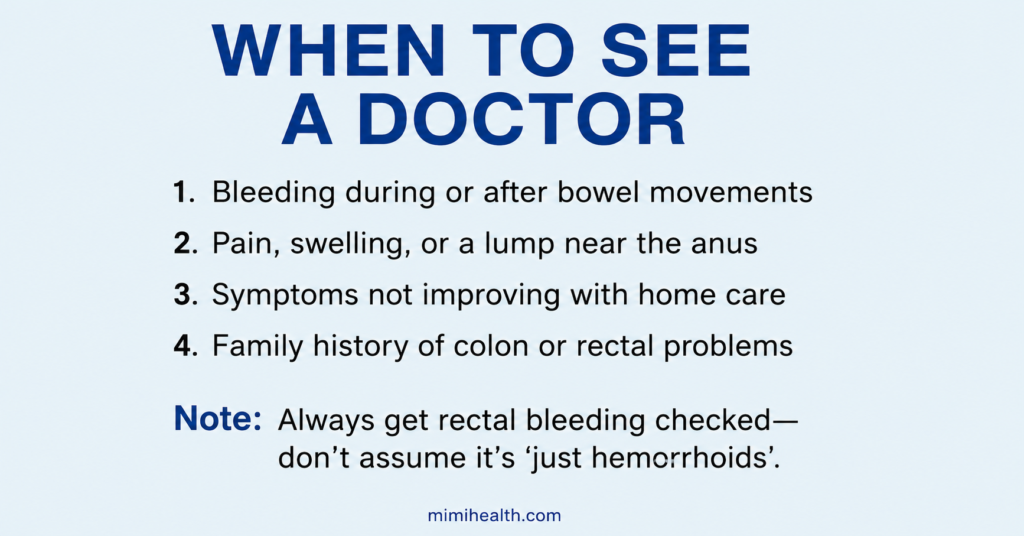
Severe bleeding can reduce the body’s blood volume. This may lead to shock. Some people experience heavy rectal bleeding.
Get to the nearest emergency room immediately if there’s heavy bleeding from your rectum, light-headedness or you faint after bleeding. Hematochezia can lead to serious complications; treatment is necessary.
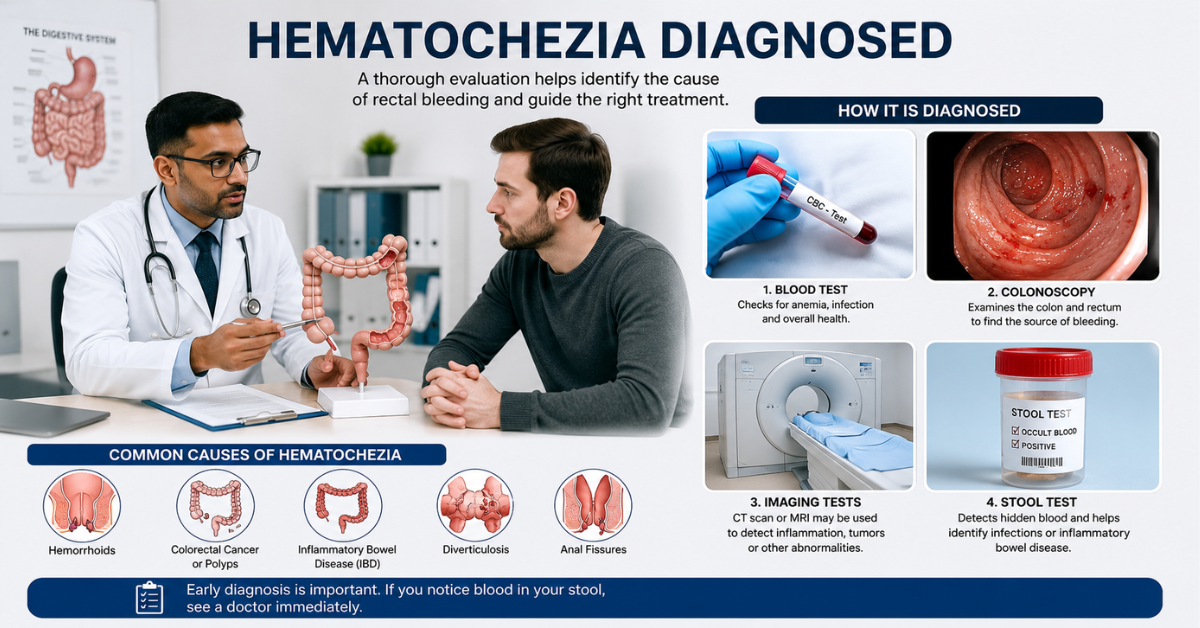
How is hematochezia diagnosed and treated?
A doctor first ask to see blood in the stools to learn the exact location and causes.
Then, he will ask questions, regarding: history of your stomach conditions; usage of any medicines and family history.
The doctor will perform a physical examination. If needed, a colonoscopy will examine the colon and rectum. During the procedure, the doctor may remove polyps, take biopsies, or stop active bleeding. Severe bleeding may require additional treatment. Your doctor can test blood samples to find out your overall condition, including anemia or clotting disorders and can take blood in stool to check if its bleeding inside or anywhere. Tests will help identify whether it’s blood infection.
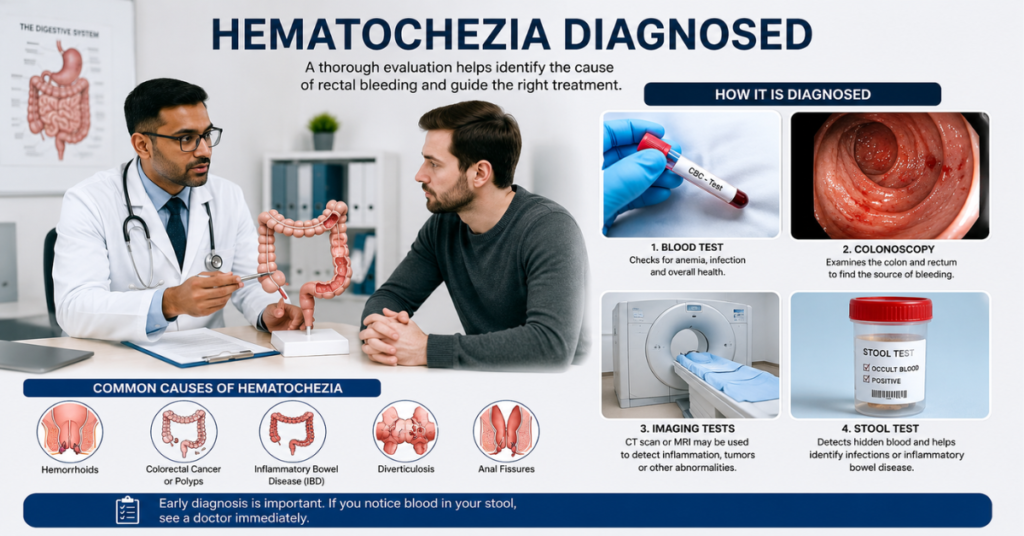
Doctor also orders test to see inside the large intestine by a procedure that use a camera inserted in the anus to look inside large intestine. It called colonoscopy. Depending on the causes,treatment of hematochezia may be medical or surgical.
Doctors usually treat small amounts of bleeding from hemorrhoids or anal fissures with lifestyle changes, a high-fibre diet, and stool softeners.
People with colitis are often treated with anti-inflammatory medications and those with bacterial or parasitic infections will be prescribed with appropriate drugs for the specific cause. Severe cases of anemia or blood loss from the lower gastrointestinal tract are treated with fluid resuscitation, blood transfusion and surgical intervention may be required to seal any major sources of bleeding. Colorectal cancer should be treated with aggressive approach such as surgery and chemotherapy or radiation.
When to take action – is there a cure?
As with any condition that cause of hematochezia to occur can sometimes be prevented through adequate diet (fiber), taking plenty of fluid and exercise that may result in avoiding the possibility of bleeding hemorrhoids, fissures.
Smoking should be avoided:
it impacts the digestive tract by contributing to the development of diverticular disease and possibly also cancer. It’s also best to moderate alcohol and the intake of NSAID medications that include many of the popular ones for relief from chronic pain (i.e., Advil or motrin).

Many adults should begin colorectal cancer screening when they are age 45 years of age or sooner depending on factors such as your family history and the presence of medical problems like chronic abdominal pain, the occurrence of rectal bleeding at an earlier age or family history of bowel cancer.
Colorectal cancer
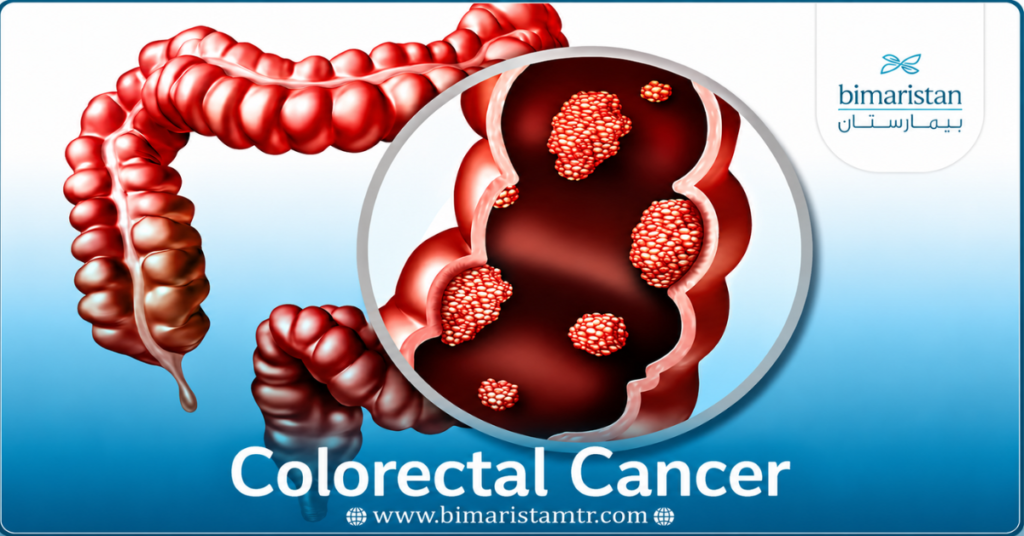
Colorectal cancer has a much better prognosis and is more treatable when caught at an earlier stage so it’s important to go for routine checkups as suggested by your doctor.
