
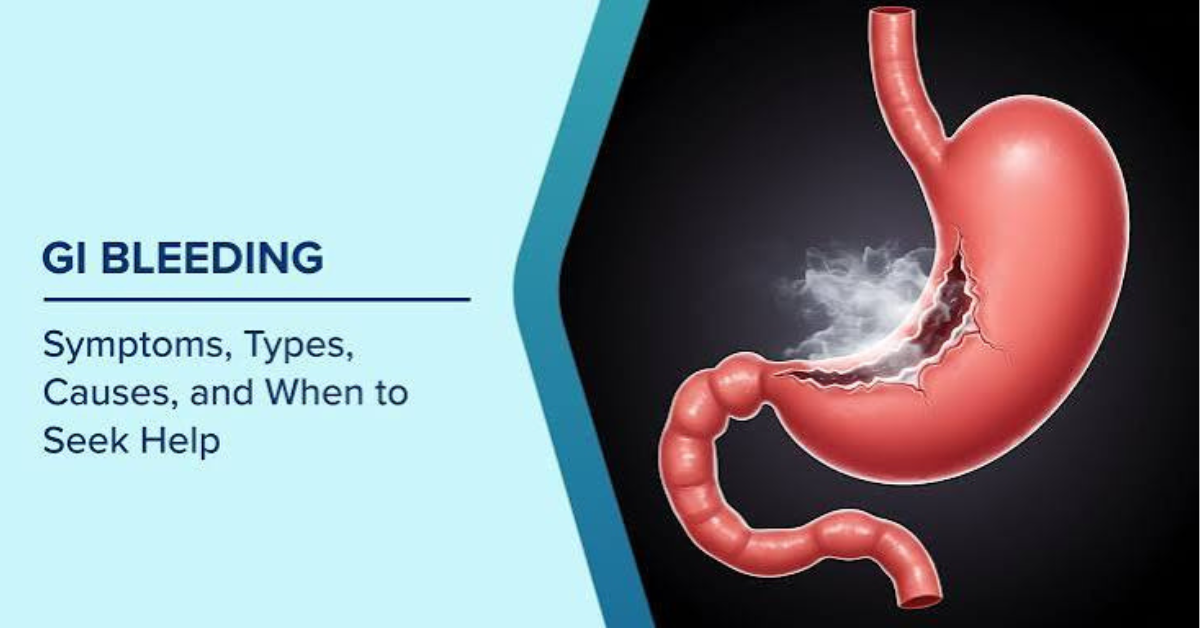
GI Bleed: Causes, Symptoms, Diagnosis, Treatment and Prevention
GI bleed (gastrointestinal bleeding) occurs anywhere in the digestive tract. It can affect the oesophagus, stomach, small intestine, colon, rectum, or anus. Symptoms vary depending on the amount of blood loss. Some people have hidden bleeding, while others experience severe, life-threatening bleeding.
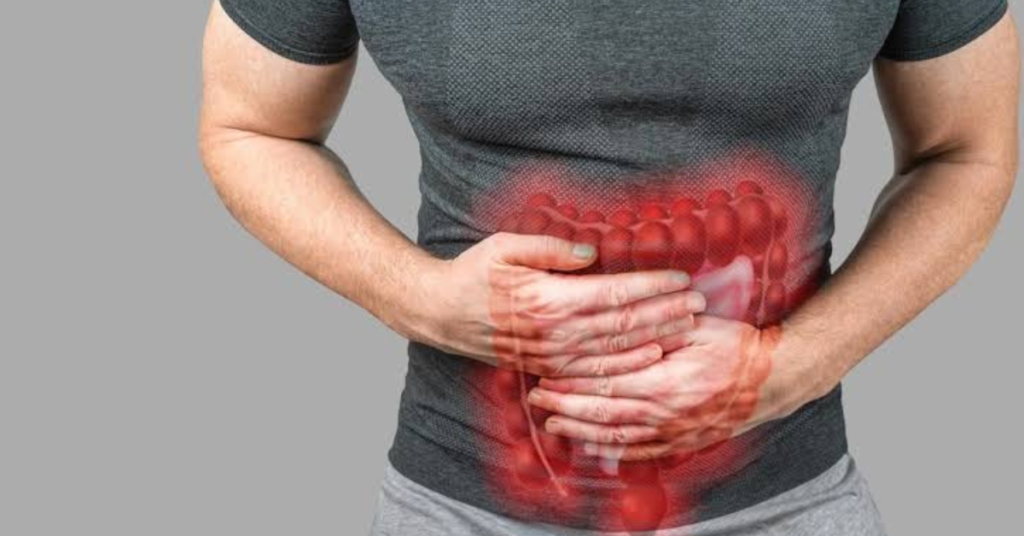
Every year, thousands of people are admitted to hospitals because of gastrointestinal bleeding. Some GI bleeds start suddenly. Others develop slowly over time. Acute bleeding often causes vomiting blood or passing black or bloody stools.
A chronic bleeding, in contrast, develops more slowly and can go undetected until anaemia and weakness become more pronounced.
Understanding of the causes, symptoms, diagnosis, and treatment and prevention of a GI bleed is therefore of the utmost importance in avoiding severe complication and ensuring successful recovery.
What Is a GI Bleed and What Causes It?
A GI bleed happens when a blood vessel somewhere in your digestive system becomes ruptured or damaged. Bleeding can occur in the upper digestive tract. This includes the oesophagus, stomach, and duodenum. It can also occur in the lower digestive tract, including the small intestine, colon, rectum, and anus.
Doctors usually classify a GI bleed as upper GI bleeding or lower GI bleeding, since the cause, symptoms and management often vary between the two locations.
Upper GI bleeding
Peptic ulcer. This is the most common cause of upper GI bleed. This occurs when the acids in your stomach or small intestine damage the mucosal lining. H. Pylori* (a common type of bacteria) and long-term NSAID (nonsteroidal anti-inflammatory drug) use put you at greater risk for the formation of ulcers.
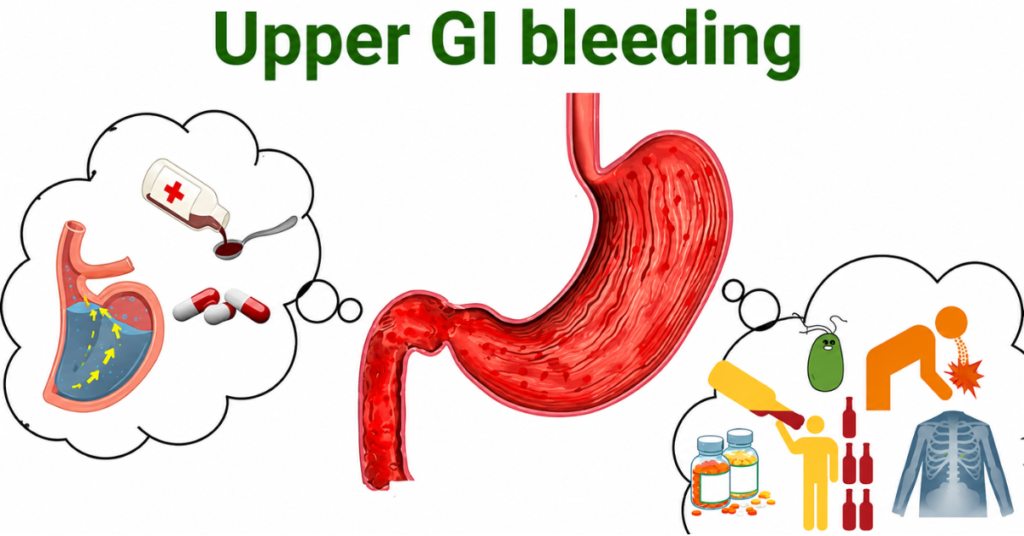
- Gastritis. This is a inflammation of the lining of the stomach. Excessive use of alcohol, certain medication, illness and a specific bacteria are to blame.
- Oesophageal varices. These swollen veins that can develop in the lower portion of your oesophagus typically occur when you have severe liver disease.
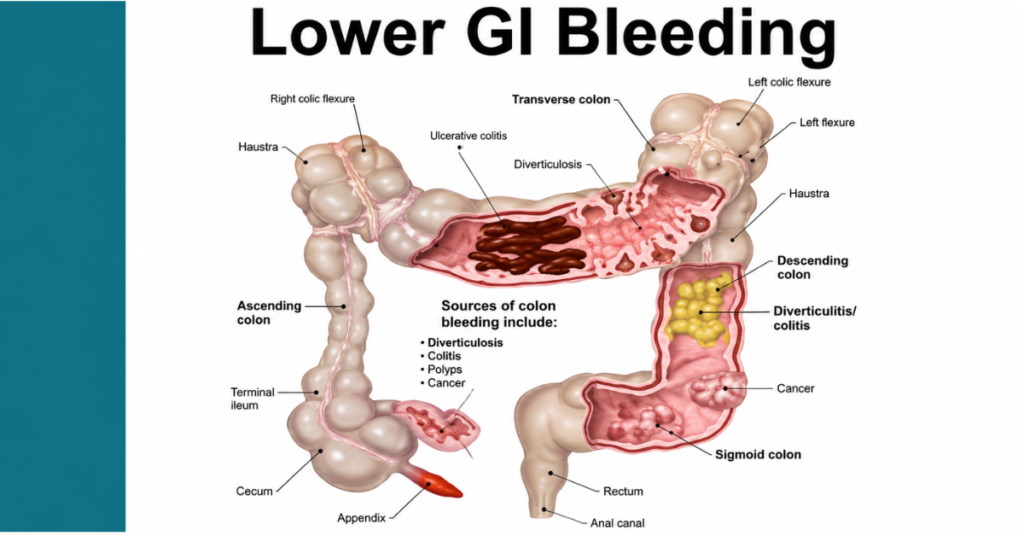
Lower GI bleeding
- Haemorrhoids. Swollen, itchy blood vessels in the anus or lower rectum, haemorrhoids are very common. They can cause bright red blood in your stool and/or blood after wiping.
- Diverticular disease. Diverticular disease develops when small pockets, or diverticula, form in the wall of your colon. Bleeding may occur if a blood vessel at the base of a diverticulum ruptures.
- Colitis. Inflammation of the colon can be a result of a few things, including infections, medication or inflammation of the colon from other causes.
- Colorectal polyps and colorectal cancer. If not detected and treated, polyps, which are extra growth in the colon and rectum, can be cancerous. Both polyps and cancers can bleed.
Some GI bleeds involve only a small amount of blood. Others become severe because of tissue damage. Heavy bleeding requires immediate medical attention.
Common Symptoms and Warning Signs of a GI Bleed
Depending on the amount of blood loss and where bleeding has occurred, a GI bleed can result in many signs and symptoms, from quite obvious to the more subtle:
Symptoms related to upper GI bleeding:
- Vomiting bright red blood, called hematemesis (looks like fresh red blood) or coffee grounds (blood that has been altered by the acids in your stomach)
- Passing black, sticky stools with a foul odour (called melena). Black stool generally occurs from blood that has been broken down in the digestive system, thus is often an indicator of upper GI bleed.
- Weakness
- Fatigue
- Dizziness or lightheadedness
- Pale skin
- Shortness of breath
- Rapid heartbeat
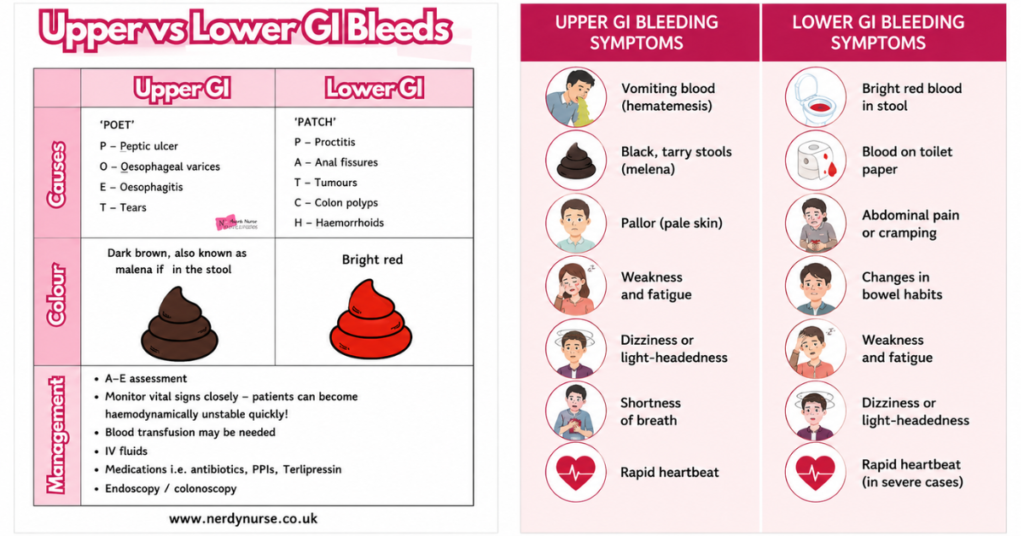
Symptoms related to lower GI bleeding:
- Passing blood in the stool that is bright red or maroon in colour. The blood may coat the stool or appear separate in the toilet.
- Dizziness
- Lightheadedness
- Weakness
- Fatigue
- Pale skin
- Shortness of breath
- Rapid heartbeat
When your symptoms indicate that your bleeding gastrointestinal bleed has become excessive, the additional signs you may experience include:
- Fainting
- Confusion
- Cold and clammy skin
- Low blood pressure
If you have any severe symptoms of a GI bleed, doctors will examine you immediately and start treatment at once to stop the bleeding and control the condition. However, if you have even minor symptoms such as small blood or black stool on a regular basis, you should always contact your doctor for proper assessment as this may contribute to chronic anemia.
How Doctors Diagnose a GI Bleed
After taking your medical history, a doctor will likely do a thorough physical exam to determine if the GI bleed is severe. They will also be looking to determine if your circulatory system has been compromised, as will also ask you about what kinds of medicines you’re taking, whether you drink alcohol, and whether you have a history of GI conditions or whether there is a history in your family of GI diseases. Blood, urine, and stool tests may be done to confirm or rule out a GI bleed:
- Blood test. A CBC (complete blood count), a test for iron levels, kidney tests and liver tests can assess for bleeding.
- Stool test. A test for occult (hidden) blood can indicate GI bleeding.
A physician will often use the following medical tests to find the source of GI bleeding and treat it:
- Upper endoscopy. This allows your doctor to examine your oesophagus, stomach and duodenum by inserting a flexible scope with a tiny camera down through your mouth and oesophagus. They may find and treat polyps, bleeding ulcers and other source of bleed, or perform a number of other therapies.
- Colonoscopy. Through a sigmoidoscope or colonoscope, a doctor can examine your lower colon and rectum for abnormalities, including cancer. The can remove polyps or find bleeding during the procedure.
- CT scan. CT may identify the bleeding location and even pinpoint an active bleeder on CTA. Other imaging studies such as radionuclide scanning, balloon endoscopy or traditional radiology may be utilized if the other methods are inconclusive.
Treatment Options for a GI Bleed
Your treatment will be based on what is causing your GI bleed, its location and the severity of blood loss:
- Medications. PPIs (proton-pump inhibitors) such as Prevacid, Prilosec and Nexium can help to heal ulcers and stop bleeds. If you are taking too many NSAIDs you may be told to stop this medications and possibly others to reduce the likelihood of further bleeding and complications.
- Endoscopic procedures. The doctor will place clips on the bleeding areas, use heated probes, injecting a substance that stimulates bleeding to clot, or banding off varices. The best form of the above will depend on where and why you are bleeding, whether you need to have them done and even the size and depth of any wounds.
- Surgery. This may be used when bleeding cannot be controlled by endoscopy, or if a serious procedure needs to be performed to remove diseased sections of the intestine or stomach.
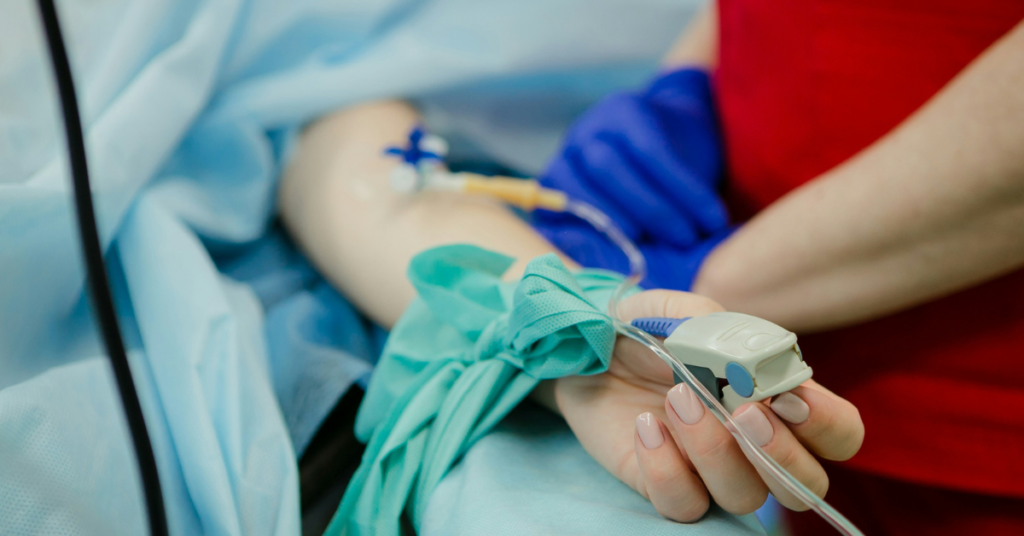
- Transfusion. In instances of significant blood loss, a transfusion will be ordered and your circulation will be monitored with IV fluids and you will be closely watched until your vital signs stabilise.
Preventing GI Bleeding and Reducing Future Risk
Many cases ofGI Bleeds may be avoided by simply being careful about how certain medicines you may take for pain or an injury can and will increase your risk of upper GI bleeding from stomach acid. This especially means being mindful of how often you’re taking the medication and whether you should take anything to reduce your symptoms.
Other preventative measures include:
- Reducing your intake of alcohol as excess consumption can increase GI bleeding by irritating your GI lining, leading to some type of disease with a higher chance of bleeding (liver failure can causeoesophageal varices for example)
- Drinking at least 2 to 3 litres of fluids daily, along with eating foods rich in fibre (like fruits and vegetables) can help prevent constipation, thereby preventing internal haemorrhoids and diverticular bleeding.
- Participating in recommended colorectal cancer screening if age appropriateness makes this beneficial will help to make the best and quickest choice possible to address potential sources of bleed, that in the majority of cases would be curable with timely intervention.
- If you already have been diagnosed with GI problems it’s essential that you receive regular medical attention and screening and that your doctor be privy to all necessary Information
If you ever suspect you’re experiencing a GI bleed due to symptoms of bloody vomiting or bloody stool, black stools or you notice blood in the toilet bowl it is always important that you see your doctor immediately. Early diagnosis and prompt medical intervention may reduce your risk of serious and potentially life-threatening complications, and result in a faster and more complete recovery.
